Intro
Programme
Tell me, grounds. Art in Baurs Park
5–6 and 12–13 September 2026 (Past)
In September 2026, Baurs Park becomes an exhibition site — for “Tell me, grounds. Art in Baurs Park”, Simone Karl, Julia Nordholz, elena victoria pastor and The New Liquidity are developing four new site-specific works, accompanied by a public programme on both weekends with Artist Picnics, workshops and a literary walk.
Baurs Park, Mühlenberger Weg 33-35, 22587 Hamburg-Blankenese
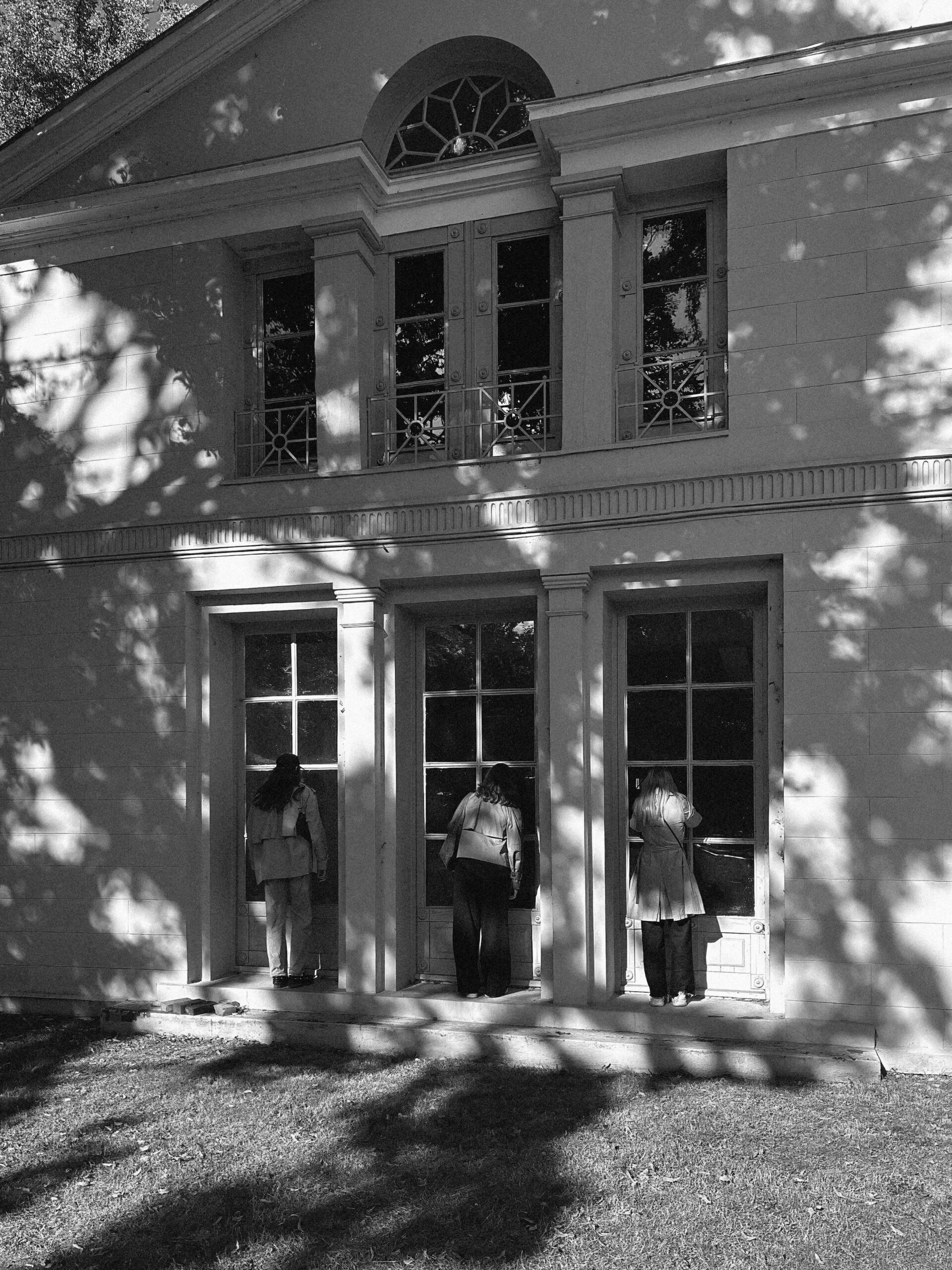
We are delighted that “Tell me, grounds” makes us the only institution in Blankenese to take part in the first Hamburg Art Week, “Crossing Currents”, and that we can take the Hamburg’s Open Monuments Days — this year with a closed house — as an invitation to shift our gaze: What does a monument mean when architecture is not the only thing that carries history? What memories do the trees in Baurs Park hold? Who does a landscape belong to? And what does the place tell us?
The artworks respond to these questions in very different ways: they follow the memories of a house we can currently only experience from the outside, give trees a voice, ask about the rights of nature, or explore protection as something that makes growth possible in the first place.
The four works and the public programme of “Tell me, grounds” share less a common theme than a common movement: they shift the gaze from the building to the ground, from the monument to the living, from the archive to the voice, from looking to listening, from nature as an object to the question of its own agency, and from the finished institution to a Kunsthaus in the making.
The exhibition is accompanied by Artist Picnics, workshops for children, young people and adults, and a literary walk through Blankenese. What interests us is not only the encounter with art, but also the encounter with one another. A writing desk beneath the trees, a conversation on a picnic blanket or a sound experience in the park can change a place. This is where our house now begins without its house – not through walls, but through people meeting one another.
Exhibition Booklet – Download Link
Public programme of "Tell me, grounds. Art in Baurs Park"
Workshop Parliament of Trees – Between Perception and Memory: Creative Writing and Field Recording & Walk with Julia Nordholz, Martin Muth and Matthias Schubert (16+) 5 September 2026, 2–4 pm
An auditory-poetic exploration. The workshop is aimed at participants aged 16 and over and combines listening experiments, creative writing and – optionally – setting your own texts to sound using field recording techniques in Baurs Park.
Artist Picnic with Simone Karl and The New Liquidity (Selma Boškailo & Anders Ehlin) 6 September 2026, 6–7 pm
On protection, boundaries and encountering a place you cannot enter. Over bread and other delicacies from Feu Fou, we come together in conversation.
Children’s Workshop Future Seeds: Textile Painting with elena victoria pastor (7+) 12 September 2026, 2–4 pm
On both days, 12 & 13 September 2026, 2–4 pm, we talk about the rights of trees, paint our own flags and write messages for the trees. The workshop is designed for participants aged 7 and over.
Literary Walk with Marion Gretchen Schmitz, starting at Blankeneser Kirche am Markt 13 September 2026, 11.30 am–2 pm
Marion Gretchen Schmitz reads selected texts on our walk from the Blankeneser Kirche am Markt (starting point) via the Fischerhaus to Kunsthaus Baurs Park. A joint event of the Kirche am Markt, the Evangelische Gemeindeakademie, Buchhandlung Wassermann and Kunsthaus Baurs Park.
Children’s Workshop Future Seeds: Textile Painting with elena victoria pastor (7+) 13 September 2026, 2–4 pm
On both days, 12 & 13 September 2026, 2–4 pm, we talk about the rights of trees, paint our own flags and write messages for the trees. The workshop is designed for participants aged 7 and over.
Artist Picnic with Julia Nordholz and elena victoria pastor 13 September 2026, 5–6 pm
Landscapes as collections: who speaks for the trees? Over bread and other delicacies from Feu Fou, we come together in conversation.
All events take place rain or shine – under pavilions and trees, with blankets and umbrellas. Please register in advance. We look forward to welcoming you to Baurs Park.


WELCOME !! TO — NIGHT ONLY !!
28–29 May, 2026 (Past)
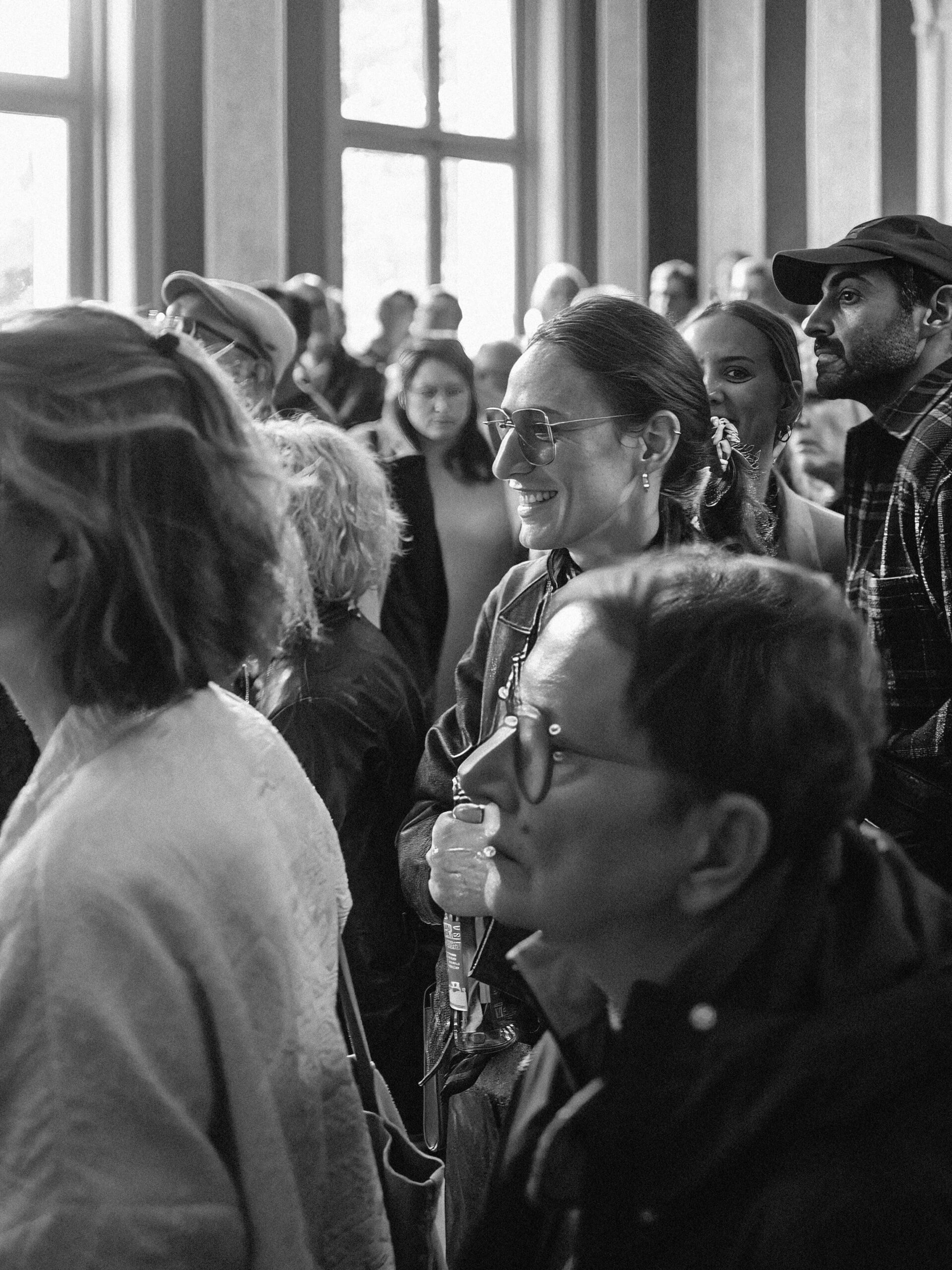
Even before the official opening in spring 2028, performances, film screenings, temporary installations, concerts, and talks will offer a first glimpse of the programme’s key themes and educational formats. The series kicks off with the artistic presentation “WELCOME !! TO — NIGHT ONLY !!”, which takes place on 28–29 May 2026 at Kunsthaus Baurs Park.
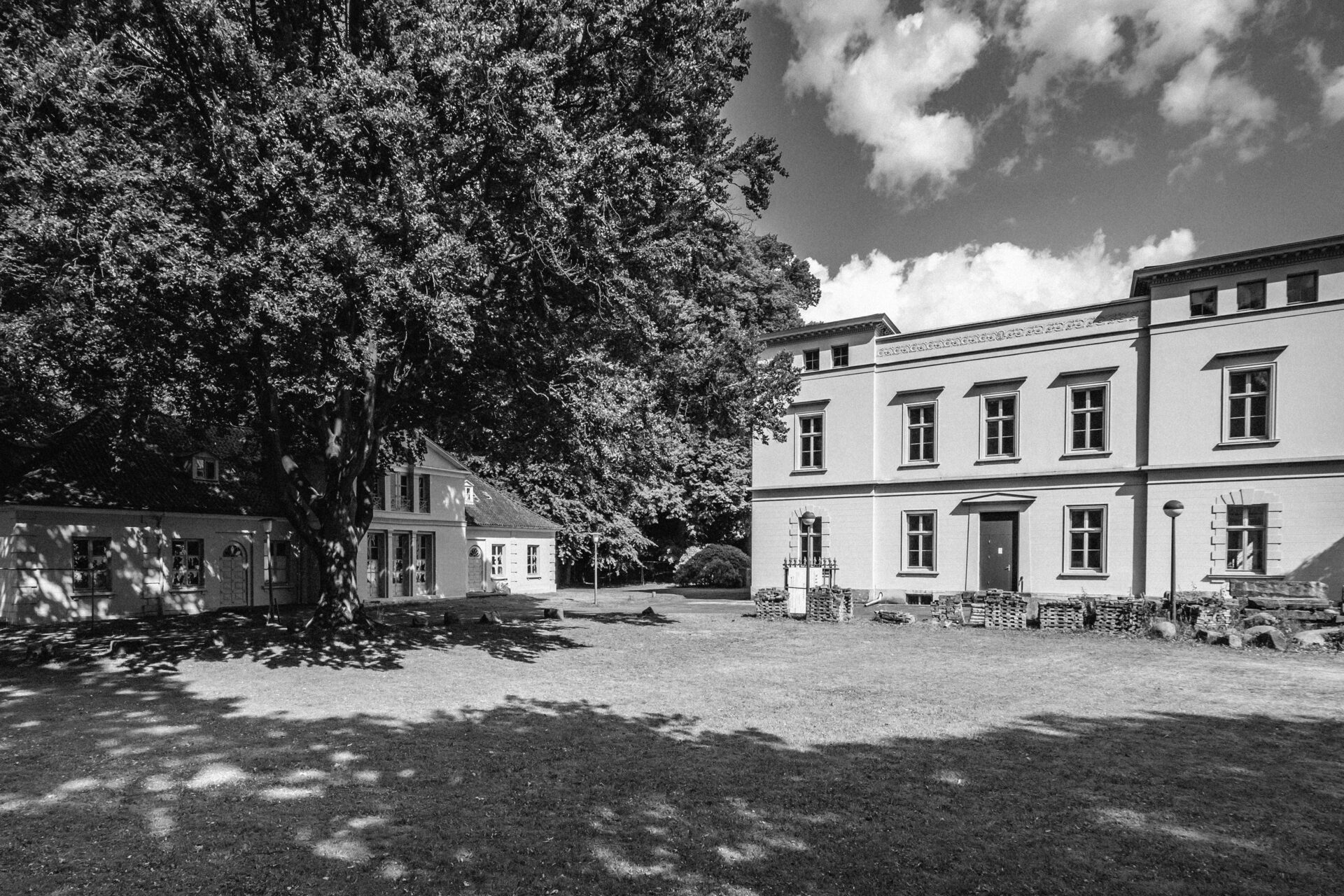
The title of this exhibition references a line from Iggy Fatuse, Human Firefly, a work by the artist Janice Kerbel. Viewed in relation to the proposed site of the future Kunsthaus, it means exactly what it says: this exhibition can only be seen tonight. Tomorrow, renovation work on the buildings begins.
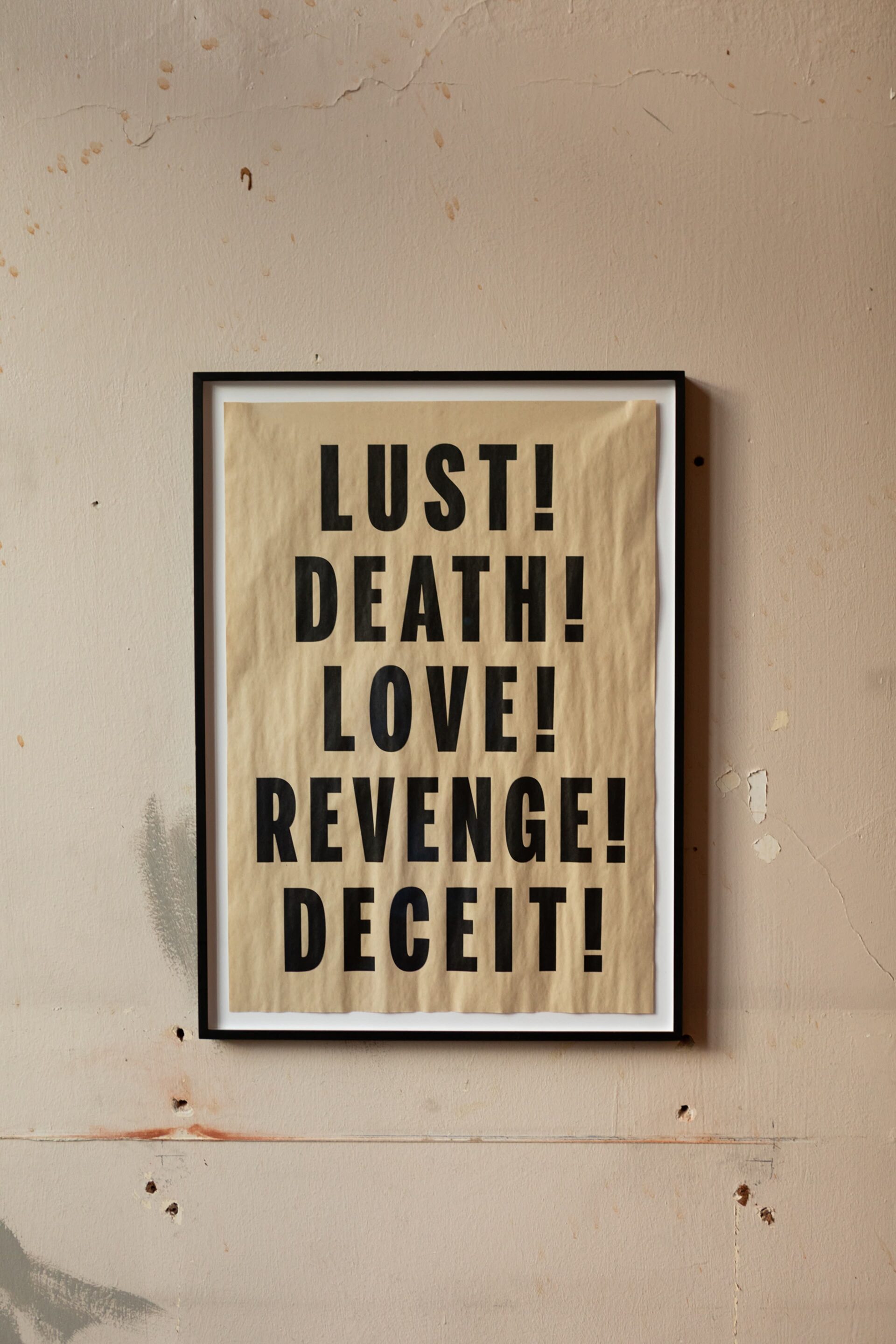
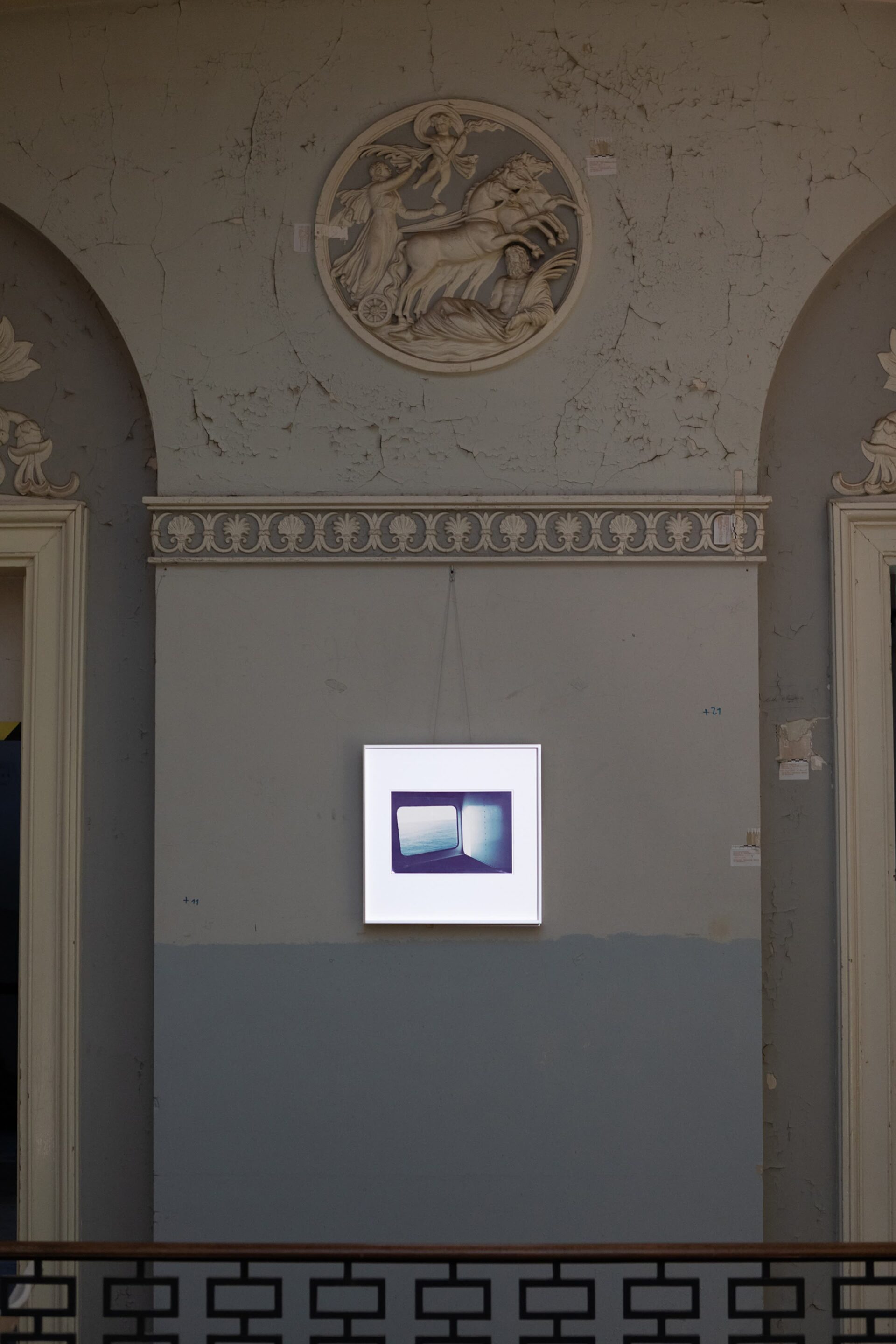
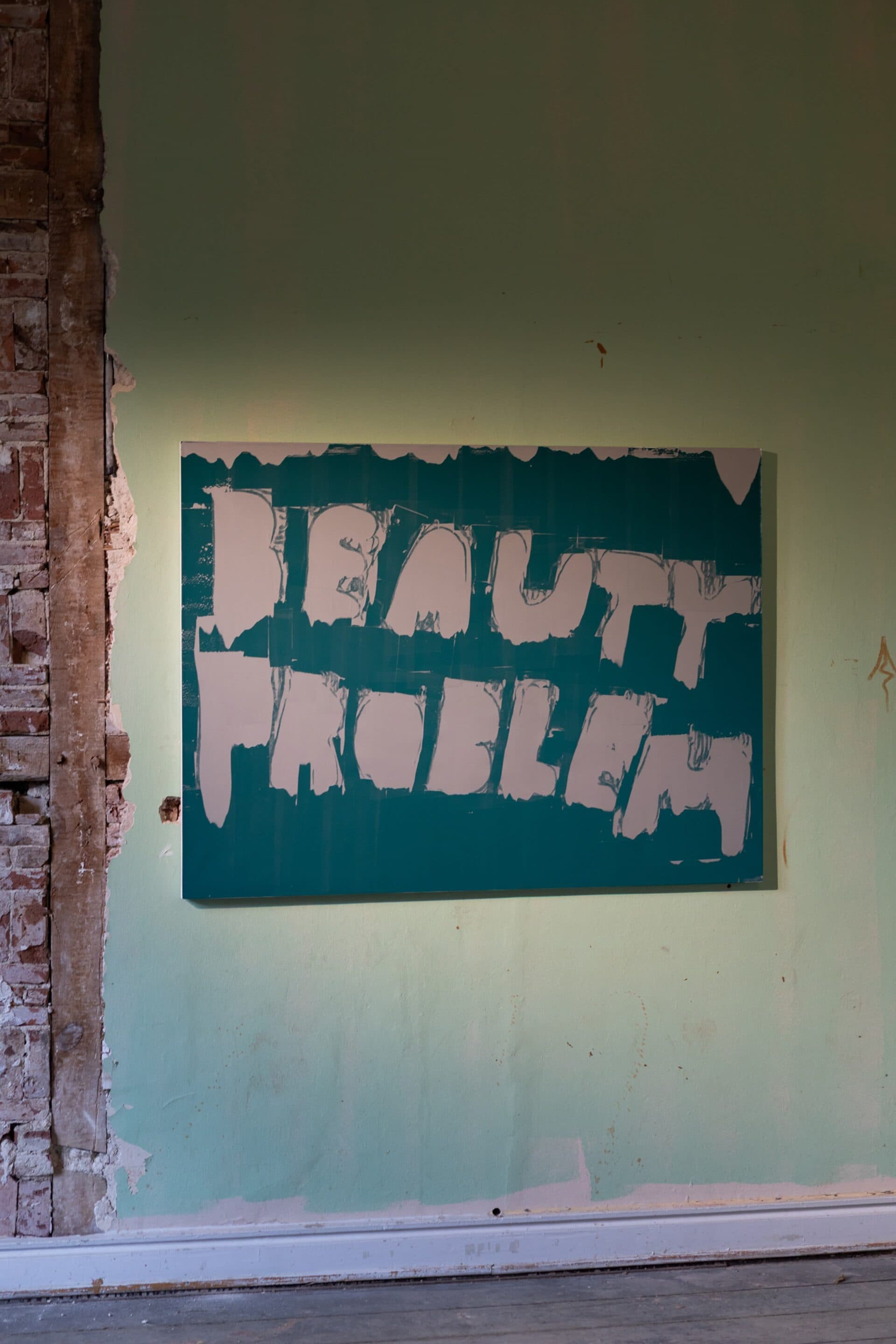
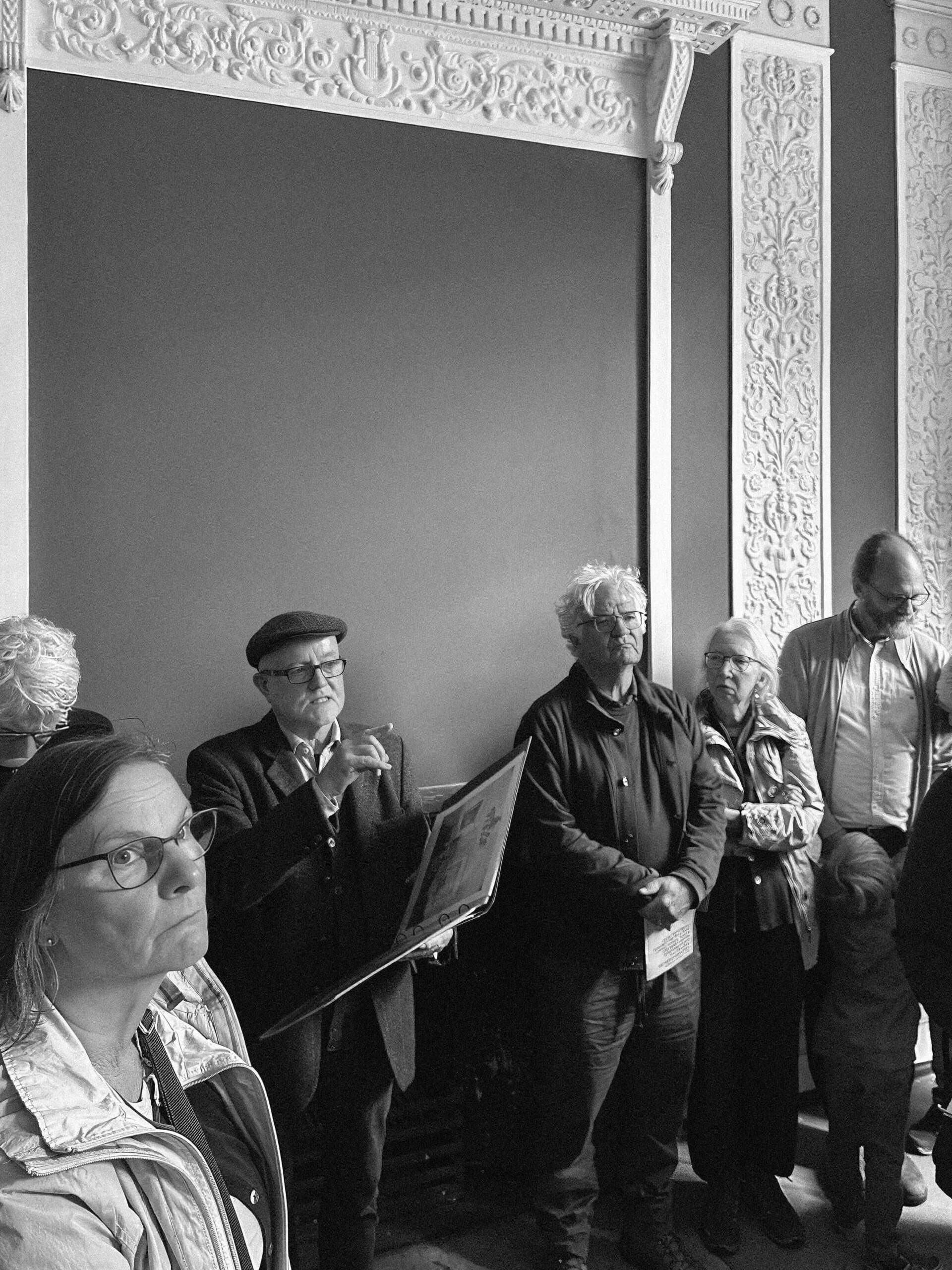
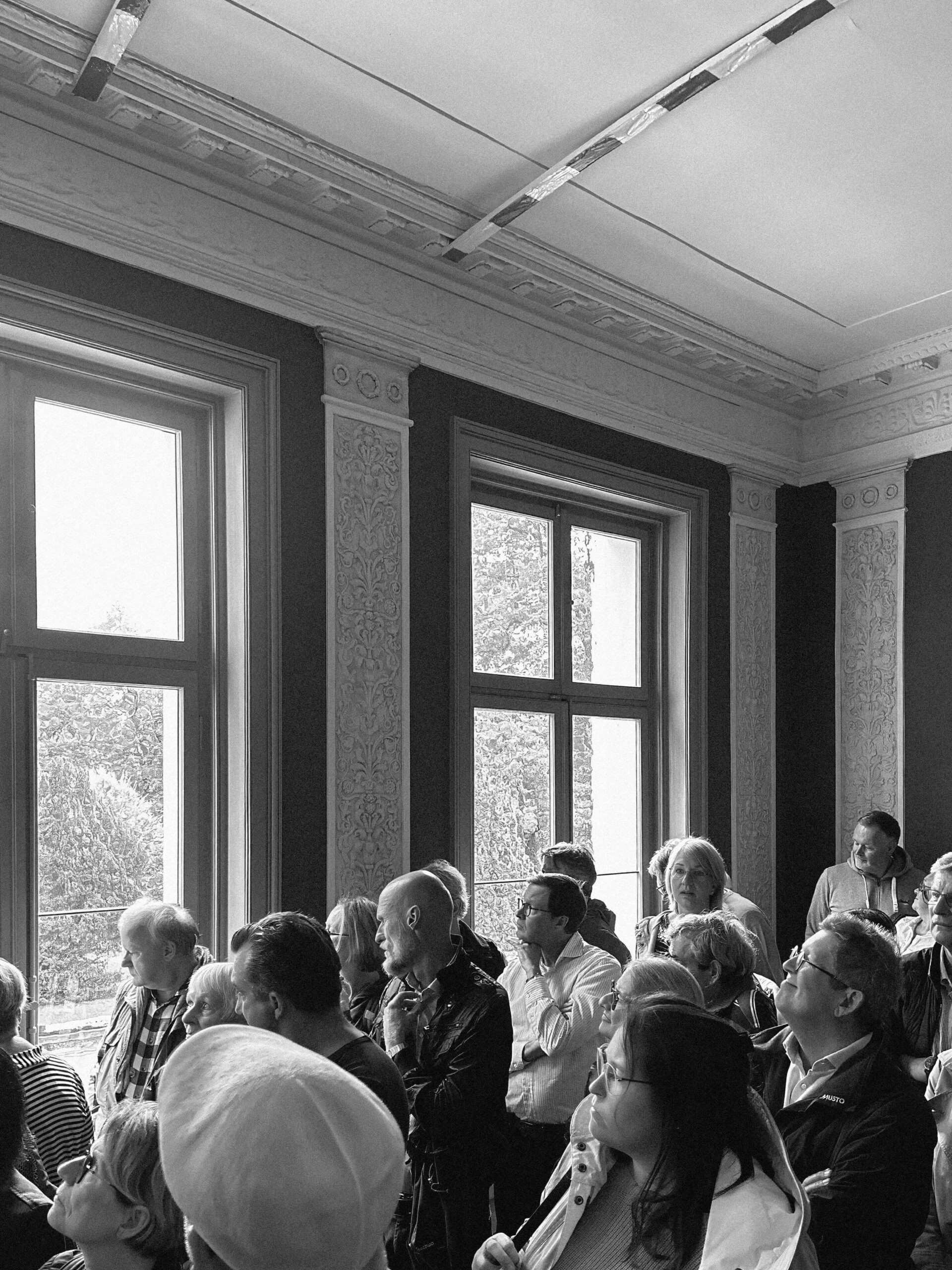
The exhibition does not follow a particular thesis but rather captures a sense of curiosity –about this building, its rooms, its changing occupants and meanings. Historical photographs from the archives of Hamburg’s Office for the Preservation of Historical Monuments show the Katharinenhof in moments that were not necessarily considered worthy of preservation, but which, for that very reason, record something: the park as a post-war vegetable garden, the coach house as a temporary home for refugees, local authority furniture in a classical interior, laundry hanging on a line in the garden. These images reflect the time in which they were created and hand over the spaces to a new era, without ever quite disappearing from them.
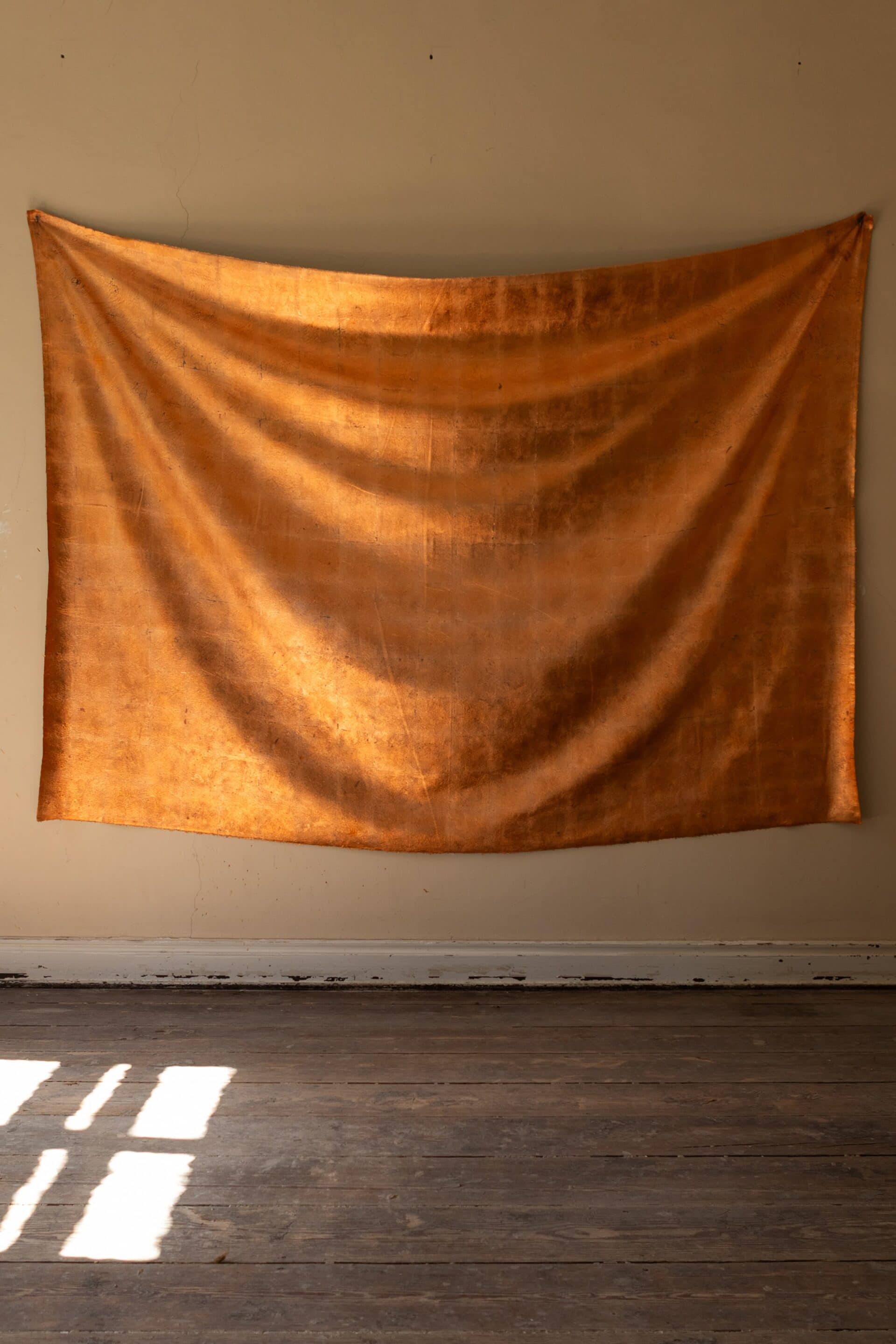
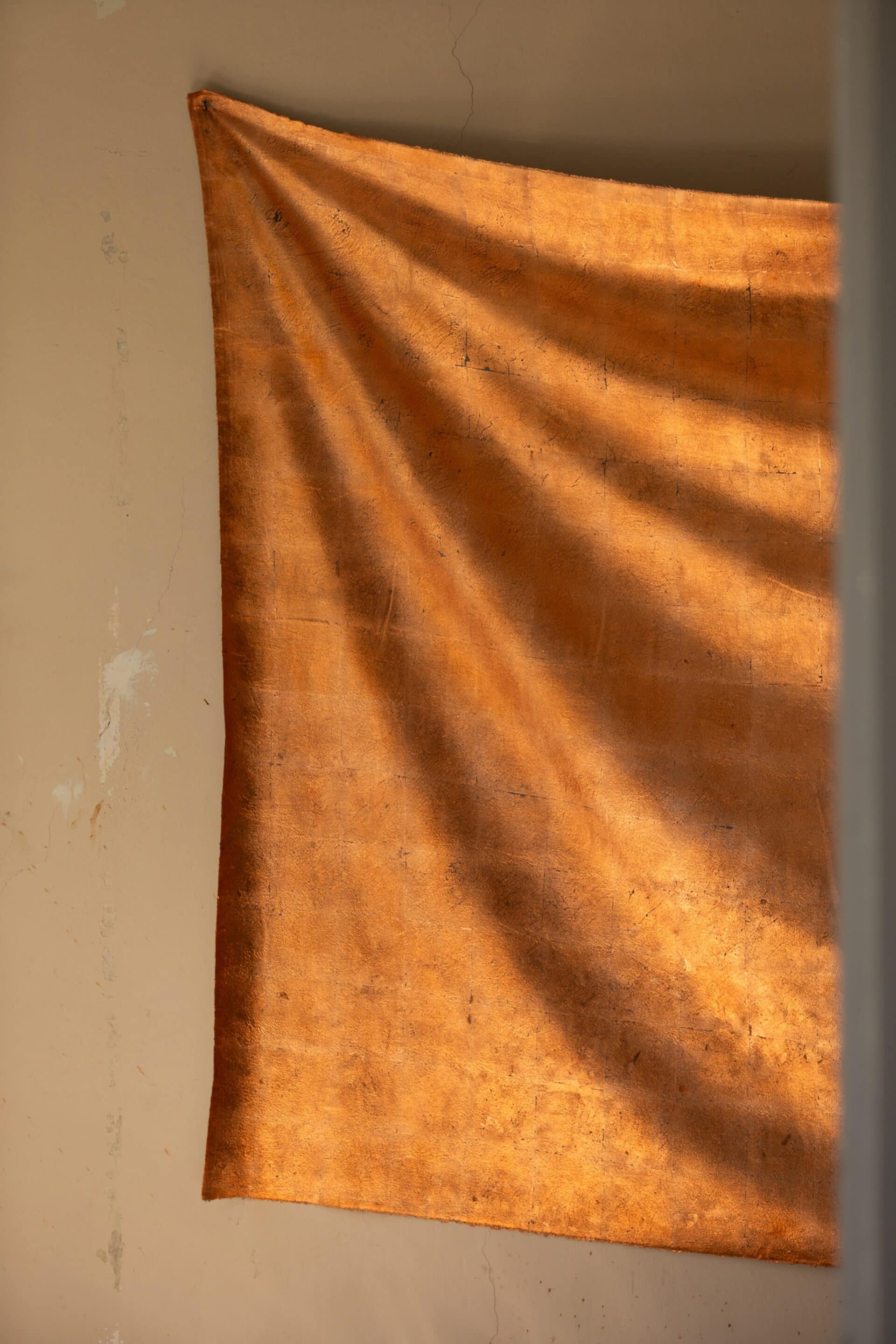
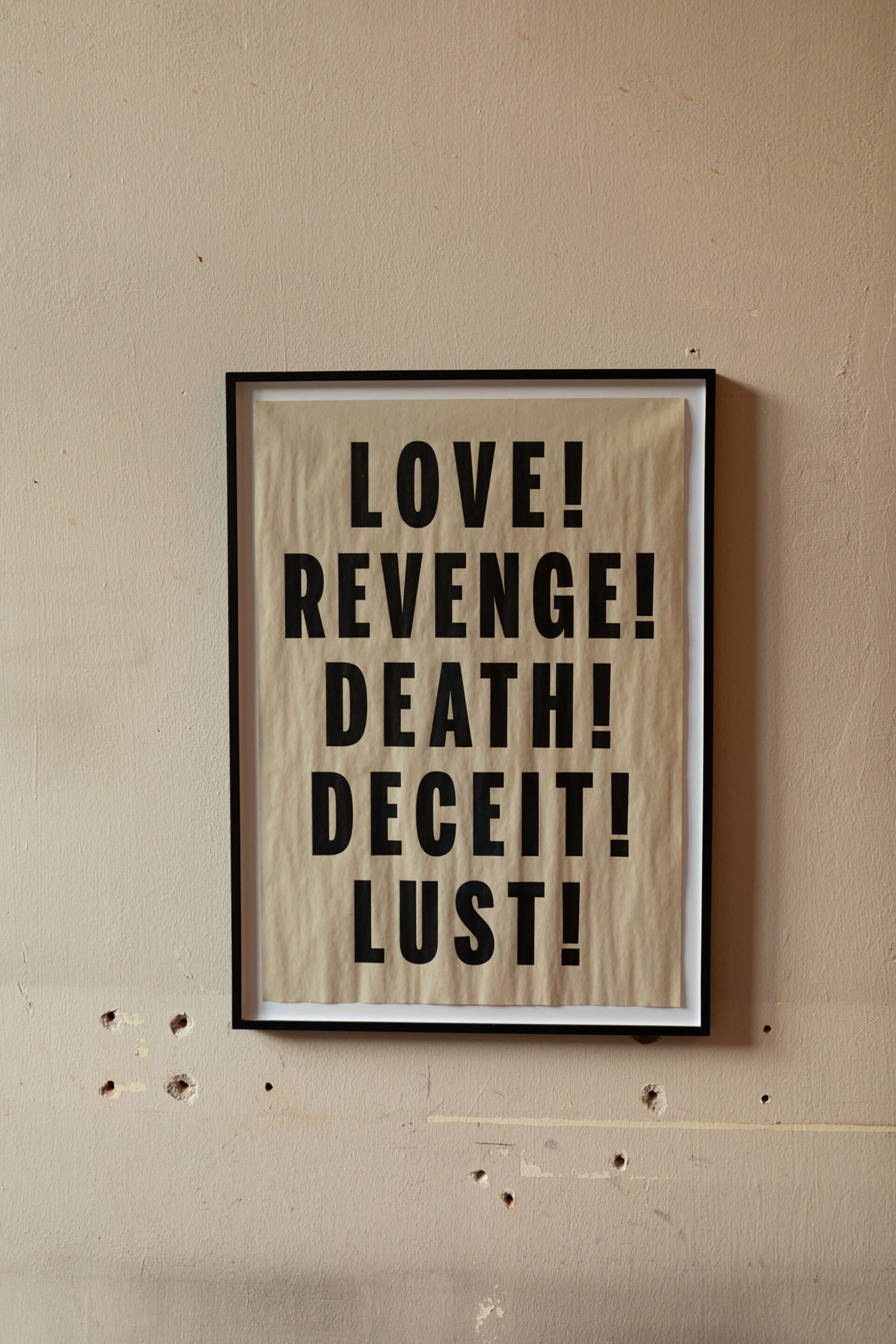
Furniture, as seen in the archive photographs, returns for one evening to the rooms where it once stood. Contemporary artworks – by Janice Kerbel, Thomas Demand, Edith Dekyndt, Véréna Paravel & Lucien Castaing-Taylor, Luigi Ghirri, Stefan Marx, Cyprien Gaillard, and Anna Grath – engage with these traces without explicitly illustrating them. They evoke vanished sculptures, childhoods spent in the local library, the maritime history of Blankenese, architectural decay and the permanence of nature, and the question of what the future holds for the building.
The video work Walls by Mikhele Apitzsch, created for this evening, presents Omer Fast and the HFBK artists Ayala Berger and Yaela Gottlieb: people who know this place through a joint project, have worked within it and reflect on what it was and what it could become. Cyprien Gaillard’s Nightlife, a six-metre-high LED wall in front of the façade facing the park, is illuminated for the first time.
- Sincere thanks: Image archive of the Hamburg Office for the Preservation of Historical Monuments, Karin Günther, Anne Heitkamp, the participating artists, Giulia Busetti (production), and Lisa Goebel (coordination)
- Concept and curation: Thomas Oberender and Teresa Minn
About
Kunsthaus Baurs Park is a new cultural space for international contemporary art—and for the people who call Blankenese home. In 2028, the house will open its doors: following the careful restoration of the neoclassical manor house built by Georg Friedrich Baur and the neighboring coach house, set within Baurs Park.
Kunsthaus Baurs Park is a nonprofit organization and privately founded initiative for contemporary culture – connected to the preservation and reopening of a neoclassical listed monument in the heart of Blankenese. Rotating exhibitions, workshop and discourse programs for all ages turn attention toward the pressing questions of our time. In this process, the history of the place becomes an essential force in shaping our programs: it raises questions, generates friction, and forges connections. Kunsthaus Baurs Park thus opens in two directions at once: into the depth of a locally rooted identity and into the breadth of the present.
Neighbourhood
For around fifty years, the Katharinenhof served as a local community centre and library, a place where the people of Blankenese gathered, attended readings, and enjoyed dance evenings. The new owners, who grew up in Blankenese, wish to build upon this idea of good community relations and cultural life, and to breathe new life into the cosmopolitan, Hanseatic spirit of this place.
As an art centre, the Katharinenhof is set to become a space for encounters and a vibrant part of the neighbourhood once again. Originally built in 1836 by Georg Friedrich Baur as a retreat for summer country outings on the banks of the Elbe, the architecture still exudes an atmosphere of hospitality. It has close links to the surrounding parkland, the Elbe, and European cultural history, connections evident in the building’s architectural details as well as in its immediate neighbourhood.
There are many facets to this neighbourhood: the former Danish fishing village, the role of shipping and the white villas of Hanseatic entrepreneurs; the Jewish life of the Warburg family; figures such as Lore Feldberg Eber, Clara Blumenfeld, Alma Del Banco, Horst Janssen, and Wilhelm Grimm; and, today, initiatives such as the mobile classrooms for refugee children and the Hamburg Tafel food bank. The Kunsthaus is consciously building on these different aspects of the neighbourhood’s history and will be developing partnerships with local initiatives in Blankenese and Hamburg over the coming years.
Building Site & History
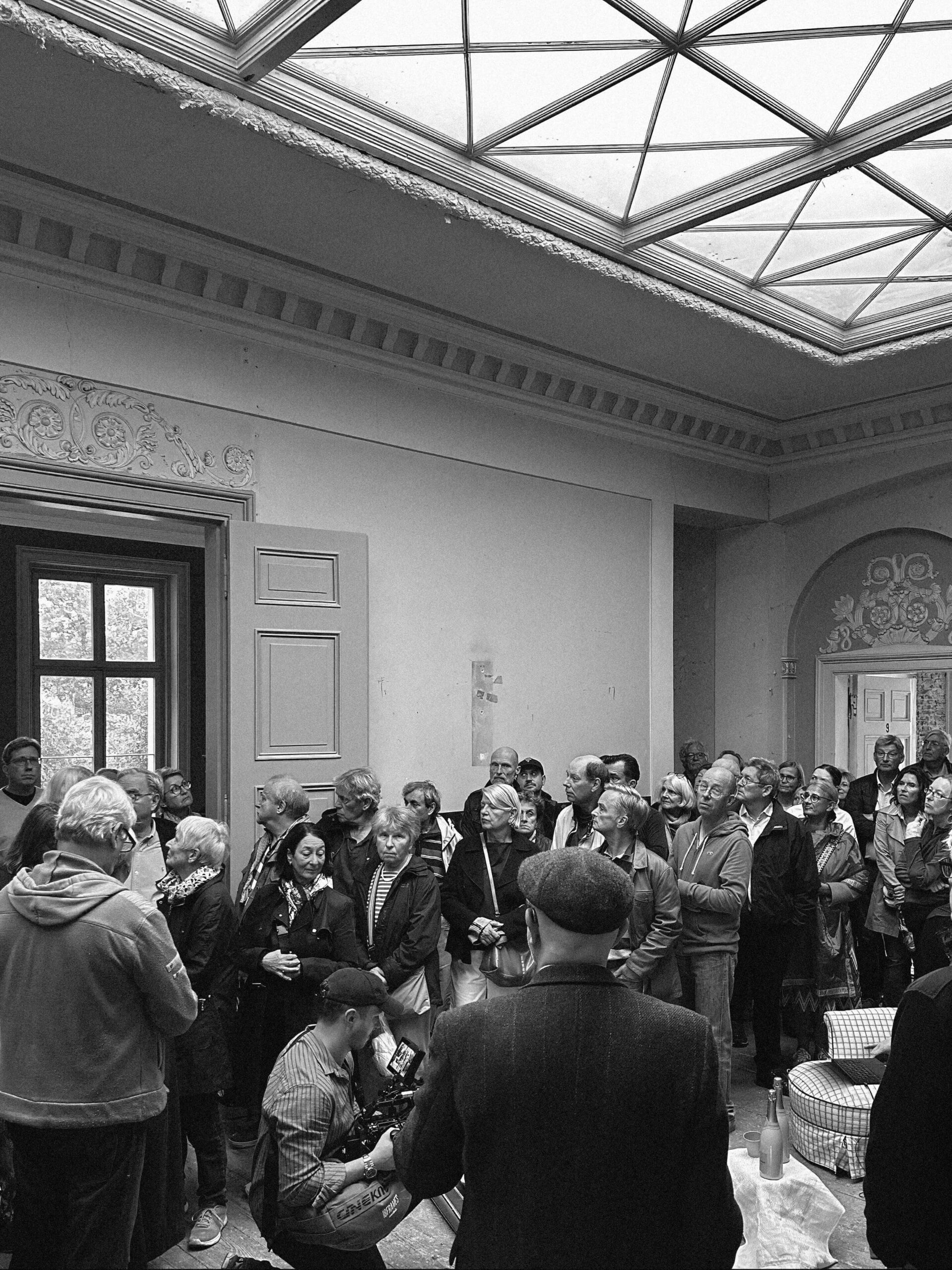
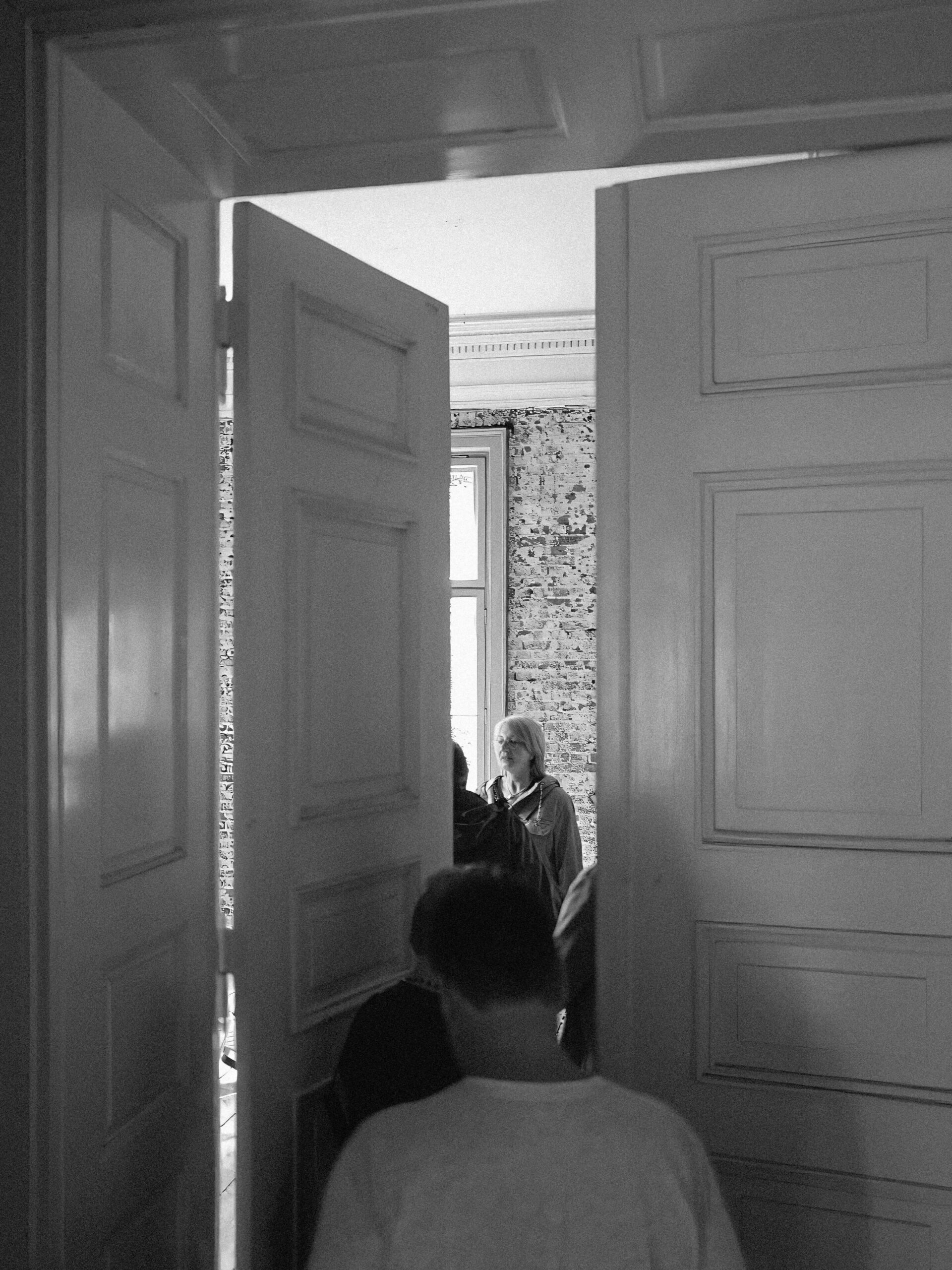
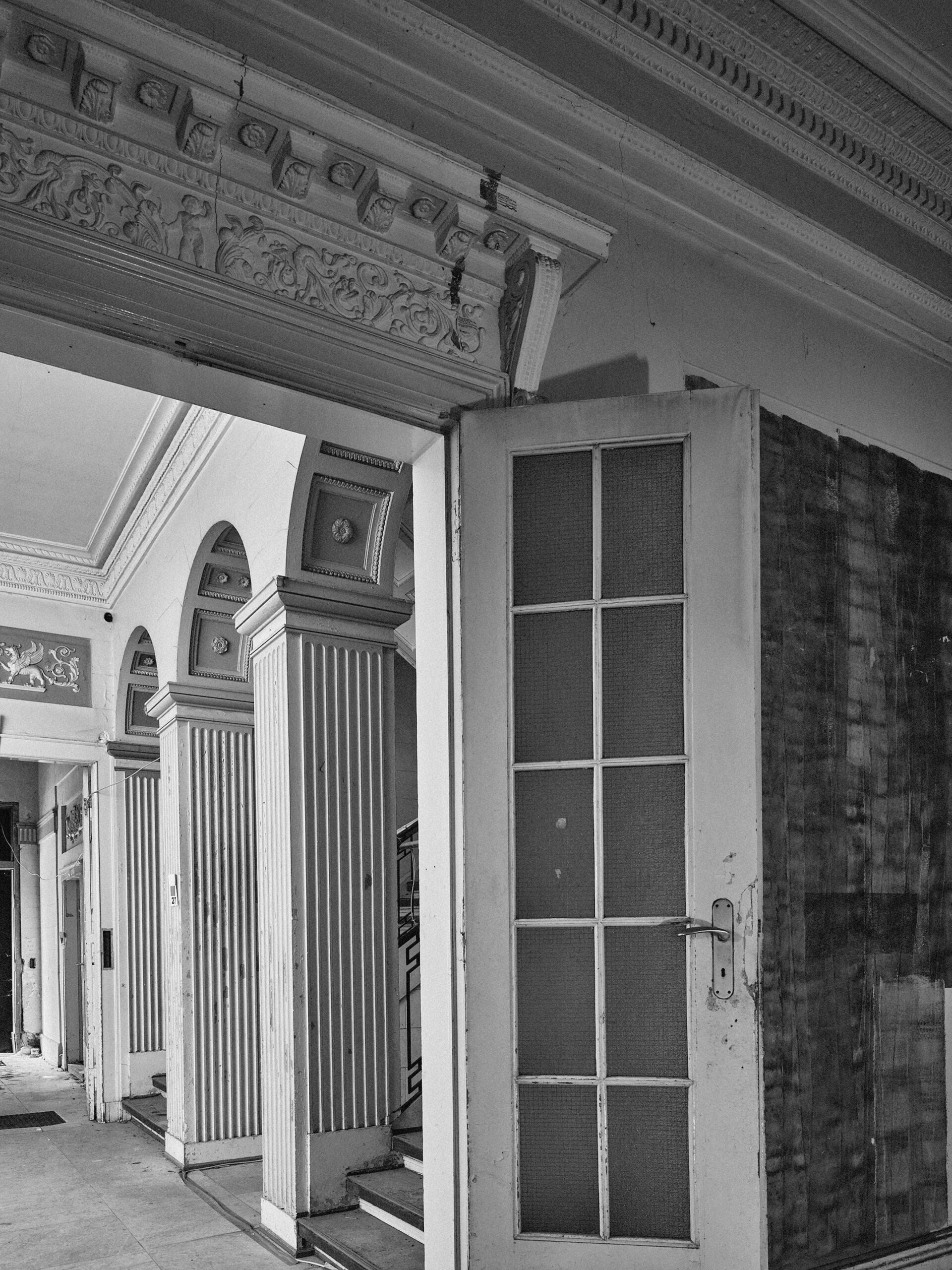
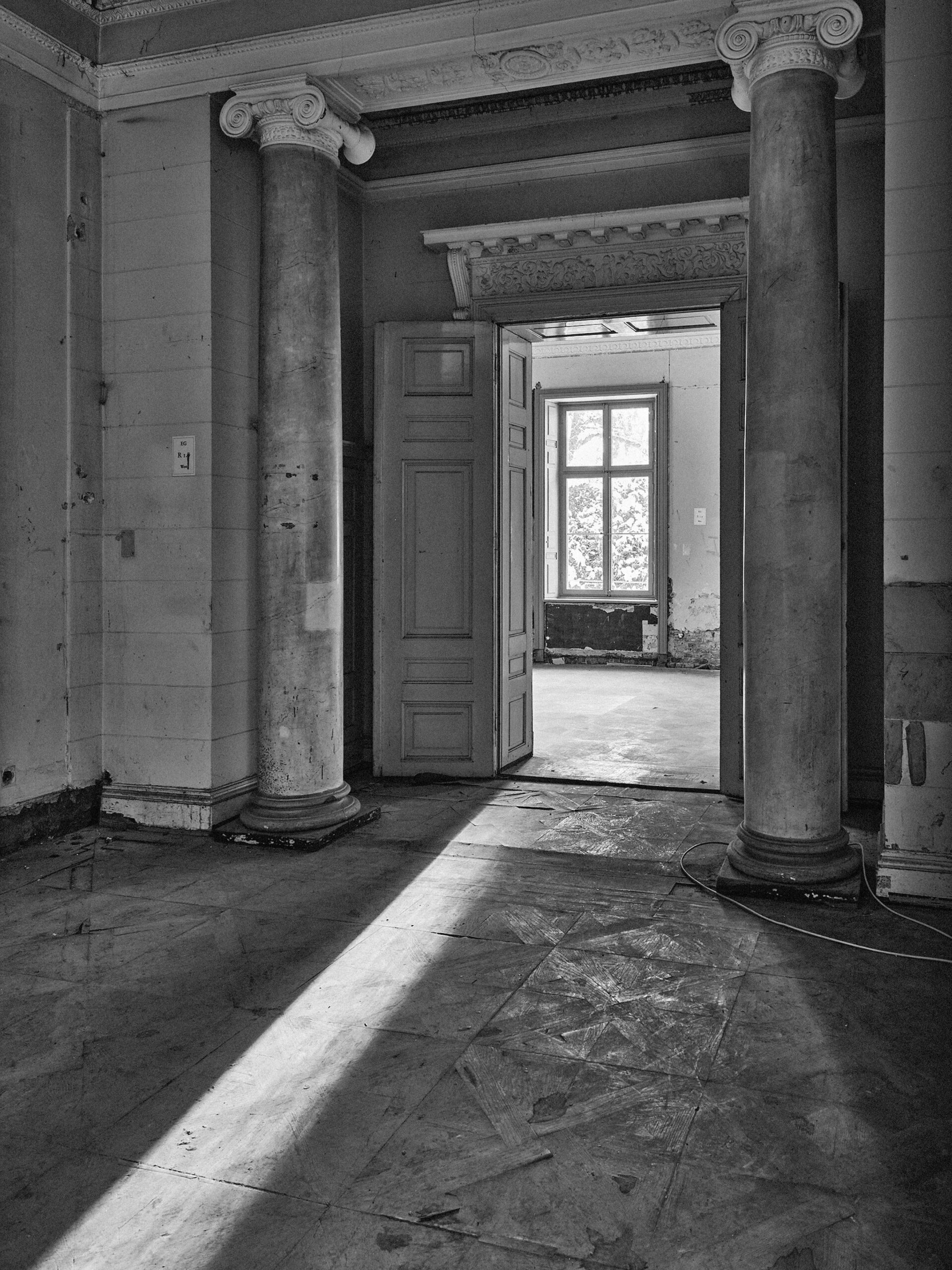
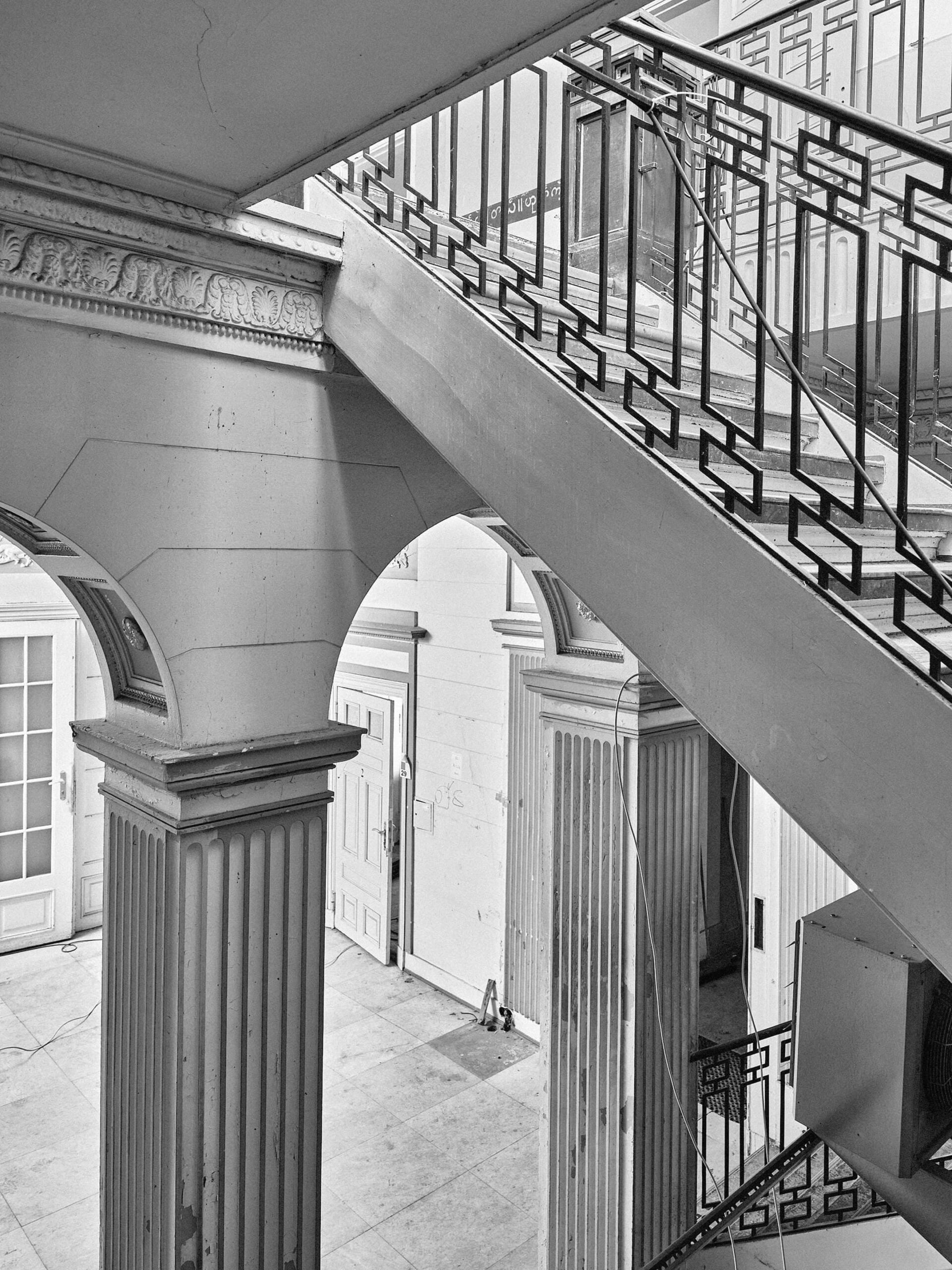
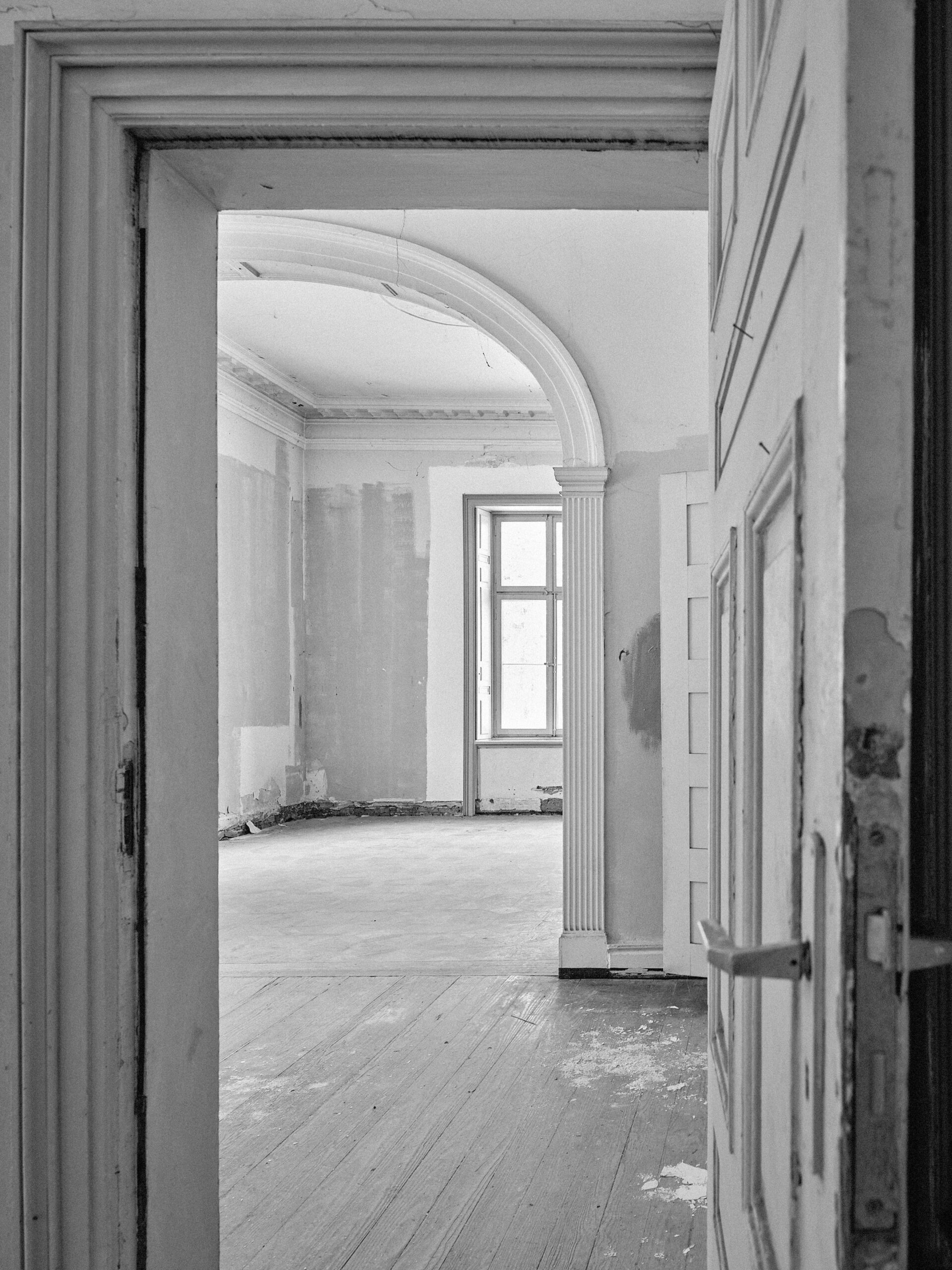
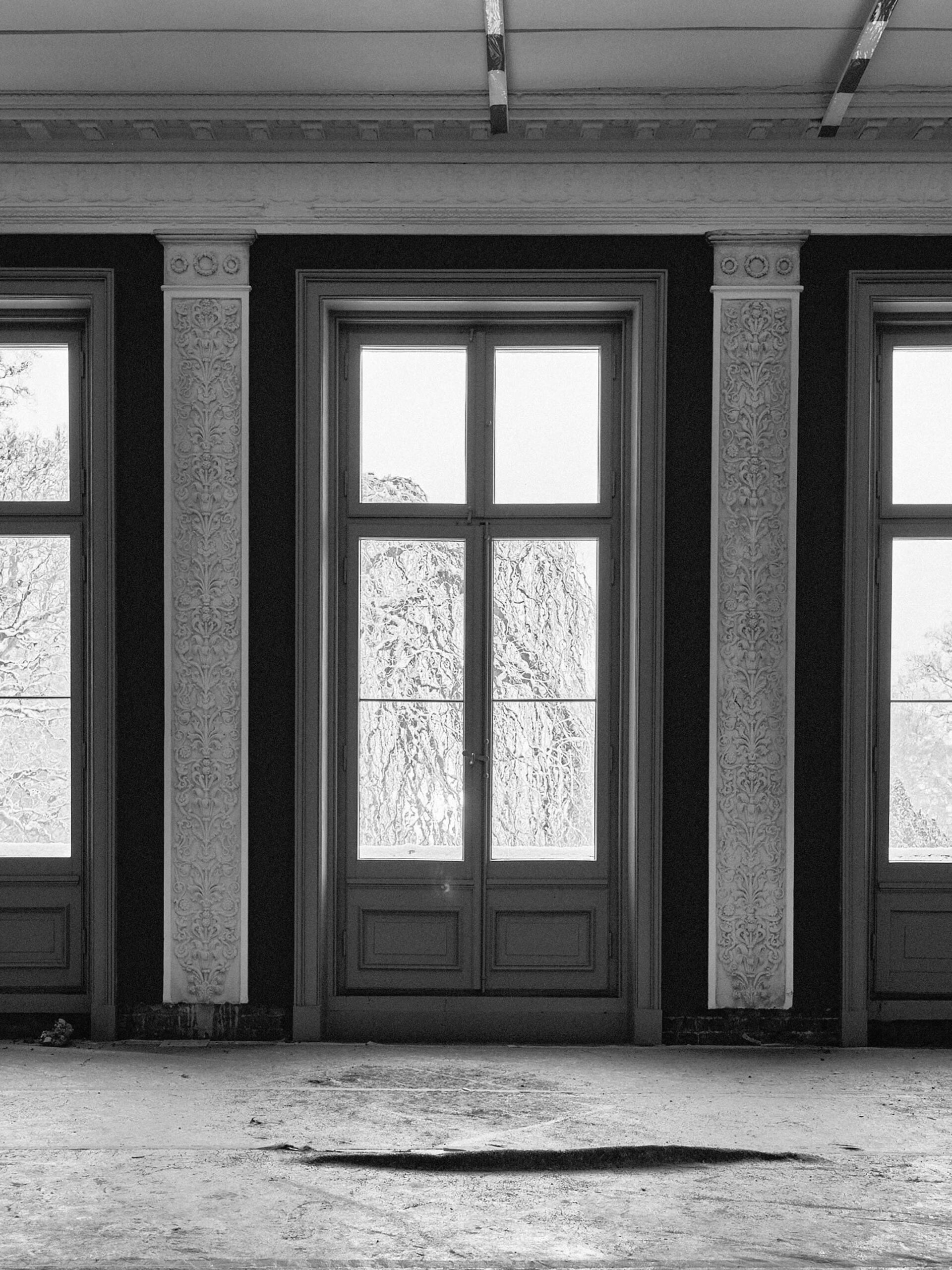
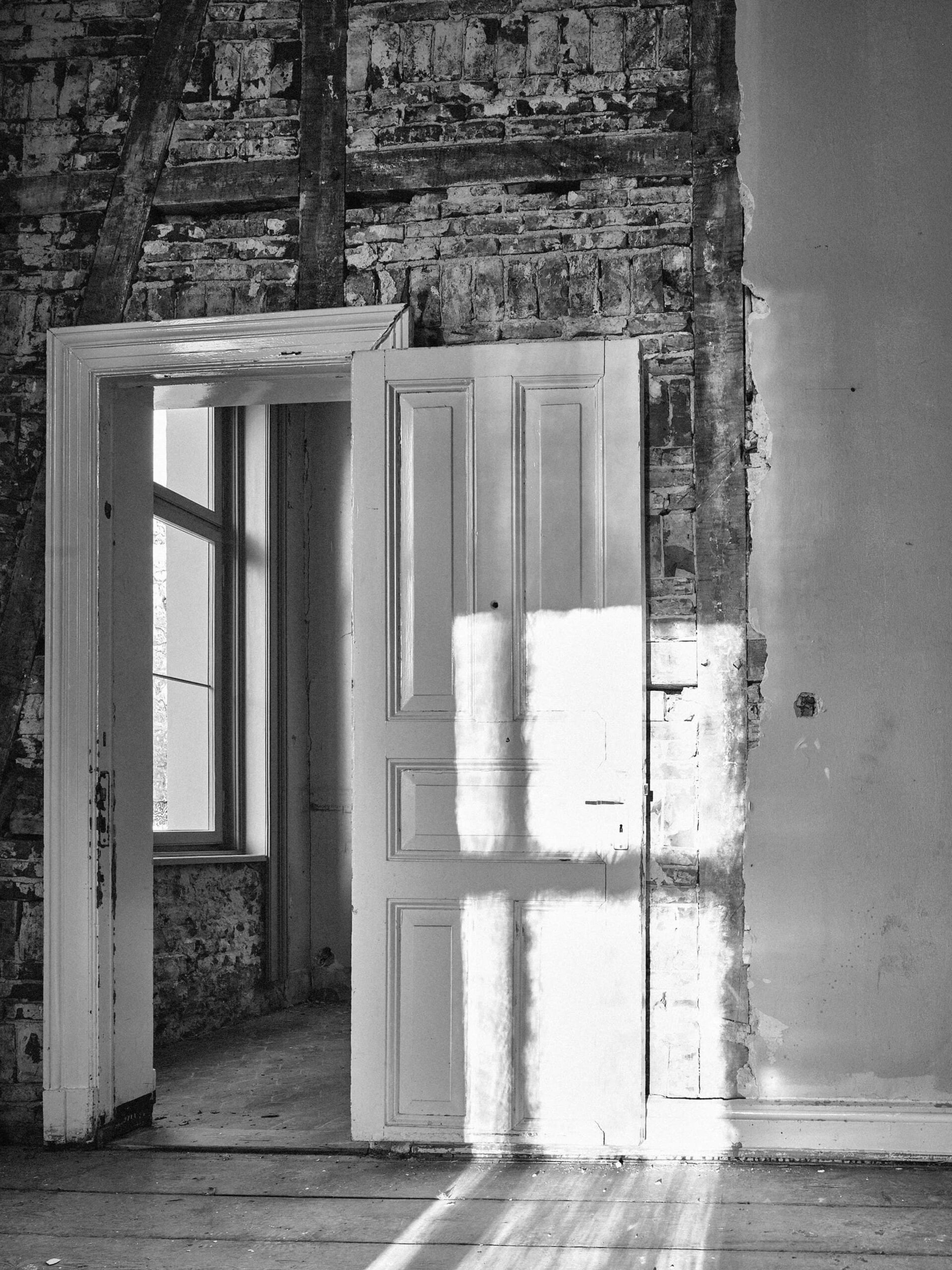
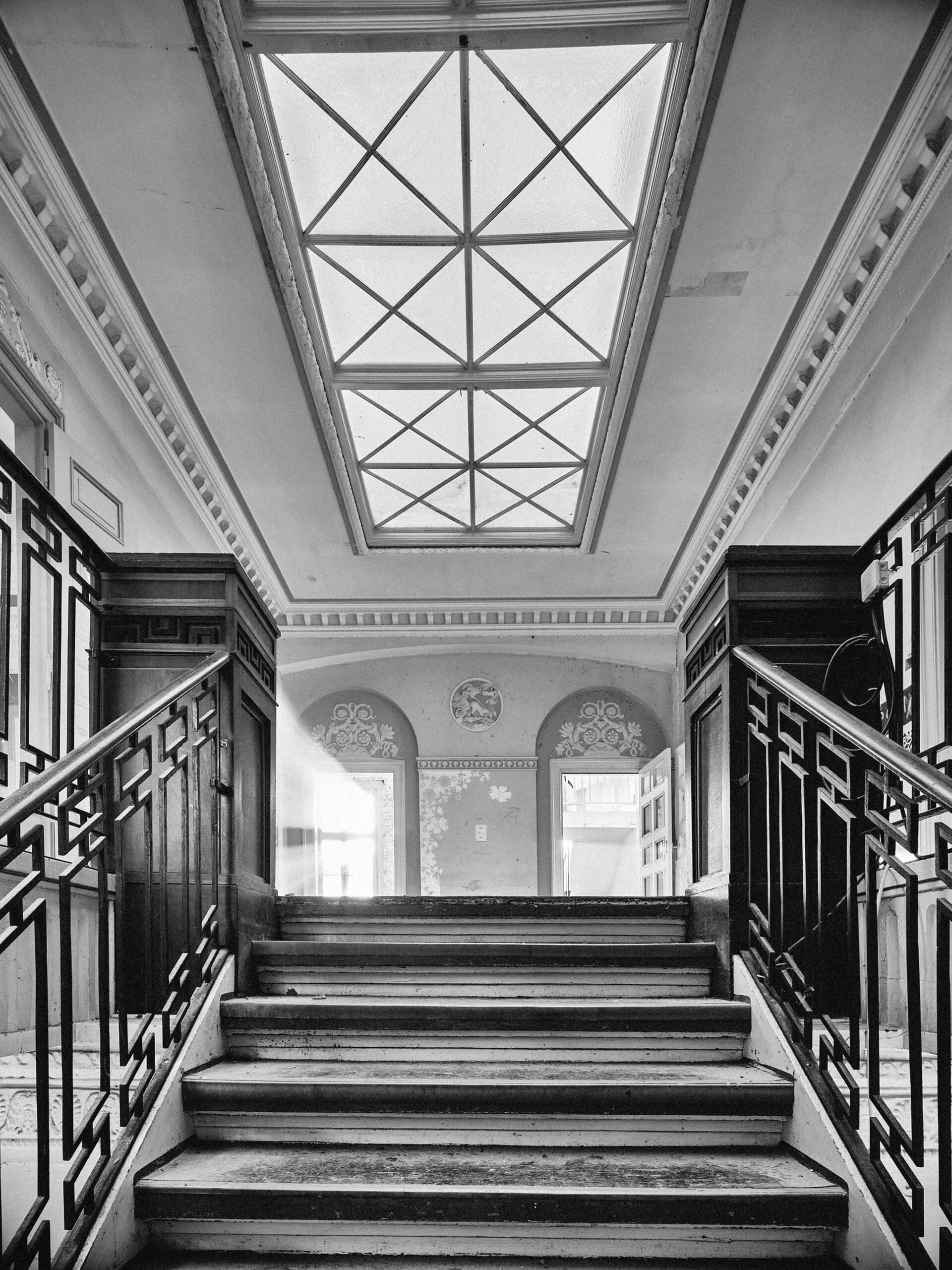
The complex, which includes a manor house and coach house in Baurs Park, stood empty for twenty years. Following a careful restoration in line with heritage conservation principles, it will reopen to the public in Blankenese and a wider audience as the Kunsthaus Baurs Park in 2028.
The history of the site dates back to the early nineteenth century. Commissioned by the Altona merchant Georg Friedrich Baur (1768–1865), the summer house and its park were built beginning in the 1830s with the collaboration of architects and artists such as Joseph Ramée, Johann Matthias Hansen, and William Collins. In 1921, the Baur family sold the estate to the shipowner Leonhard Rudolf Müller, who named the manor house after his daughter Katharina. The Katharinenhof remained in private ownership until 1939, before being briefly assigned to Air District Command XI in 1941. After the war, the stables served as emergency accommodation for those displaced by bombing, and vegetables were grown in the garden to provide basic sustenance. Renovated in the 1950s, the Katharinenhof subsequently served as the headquarters of the Blankenese local authority for fifty years. The listed coach house next door was used as a library from 1955 to 2005, affectionately referred to as the ‘Musenstall’ (Muses’ Stables) by local residents.
In 2009, Peter Bishop acquired the much-neglected ensemble from the City of Hamburg and began initial restoration work. In 2022, the property was transferred to Baurs Park GbR, which developed a new concept for its use: exhibitions, residential spaces for international artists, office space, and a restaurant are set to breathe new life into the site. The planning application was submitted in March 2023 and approved in July 2025. The renovation will take place beginning in summer 2026 in accordance with heritage conservation principles with completion scheduled for 2028.
At the wish of the initiative’s founder and benefactor, Jan Fischer, the long-vacant historic building will thus once again become a public space – for art, discourse, and the local community.
Questions and answers
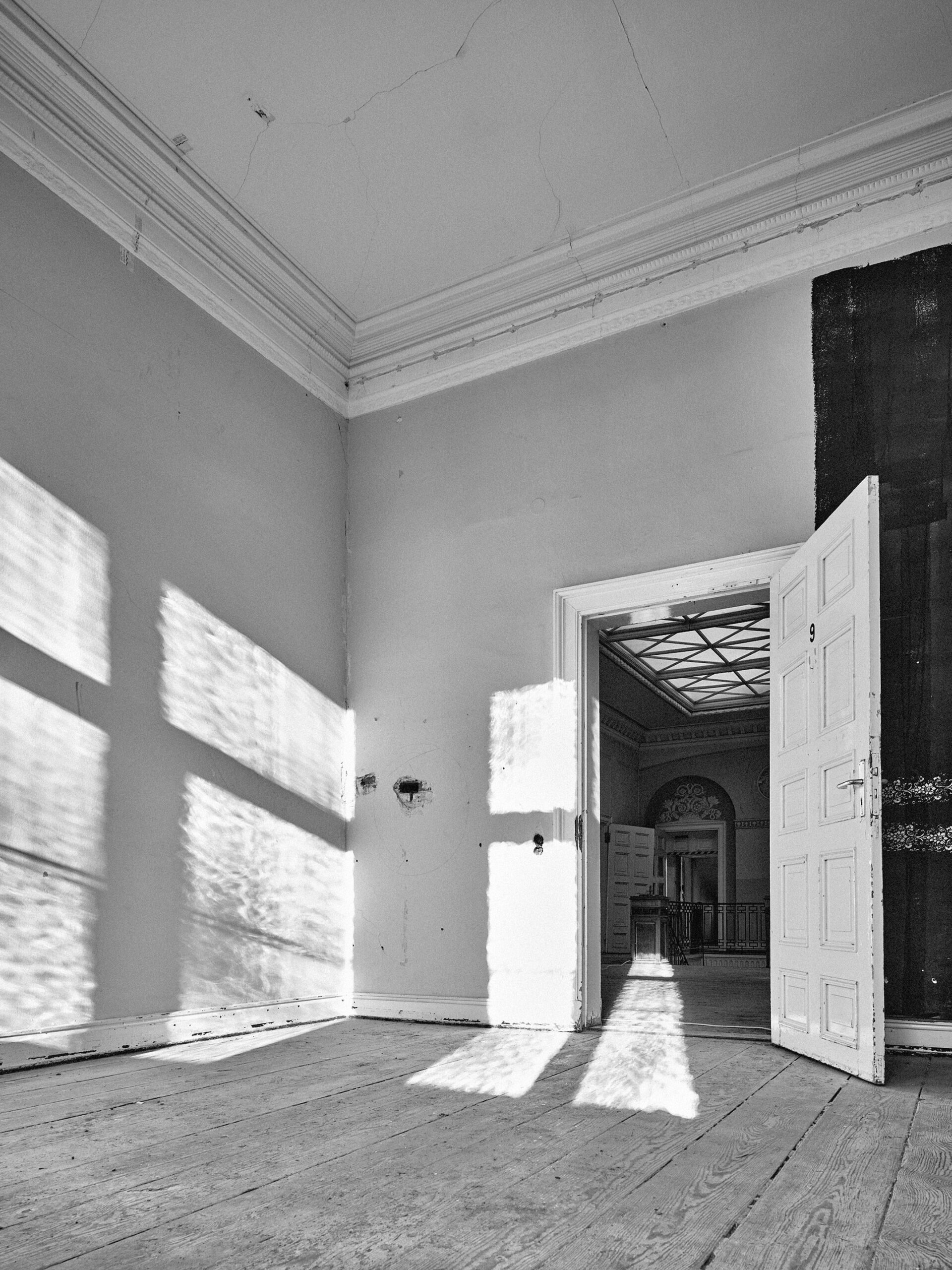
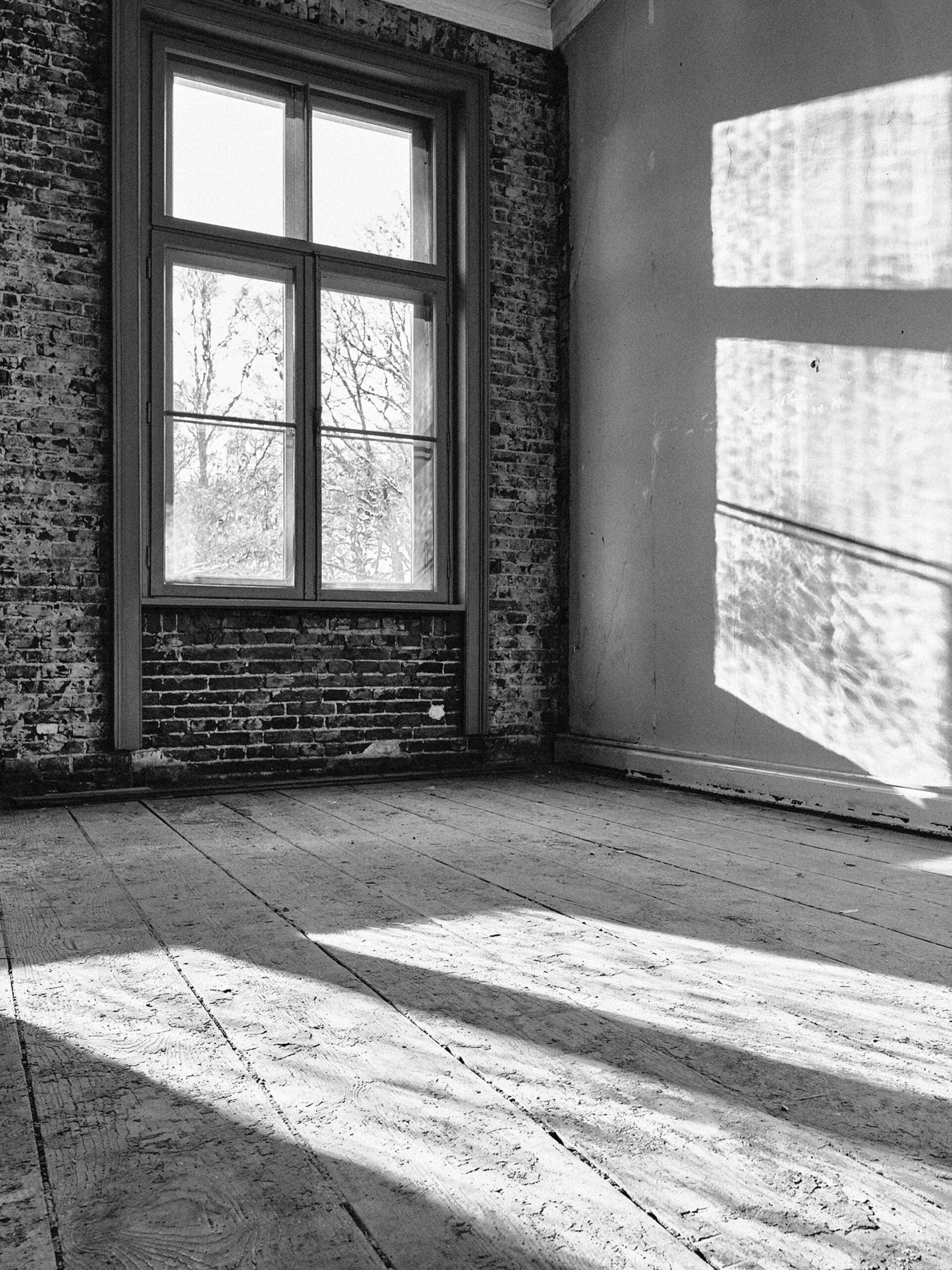
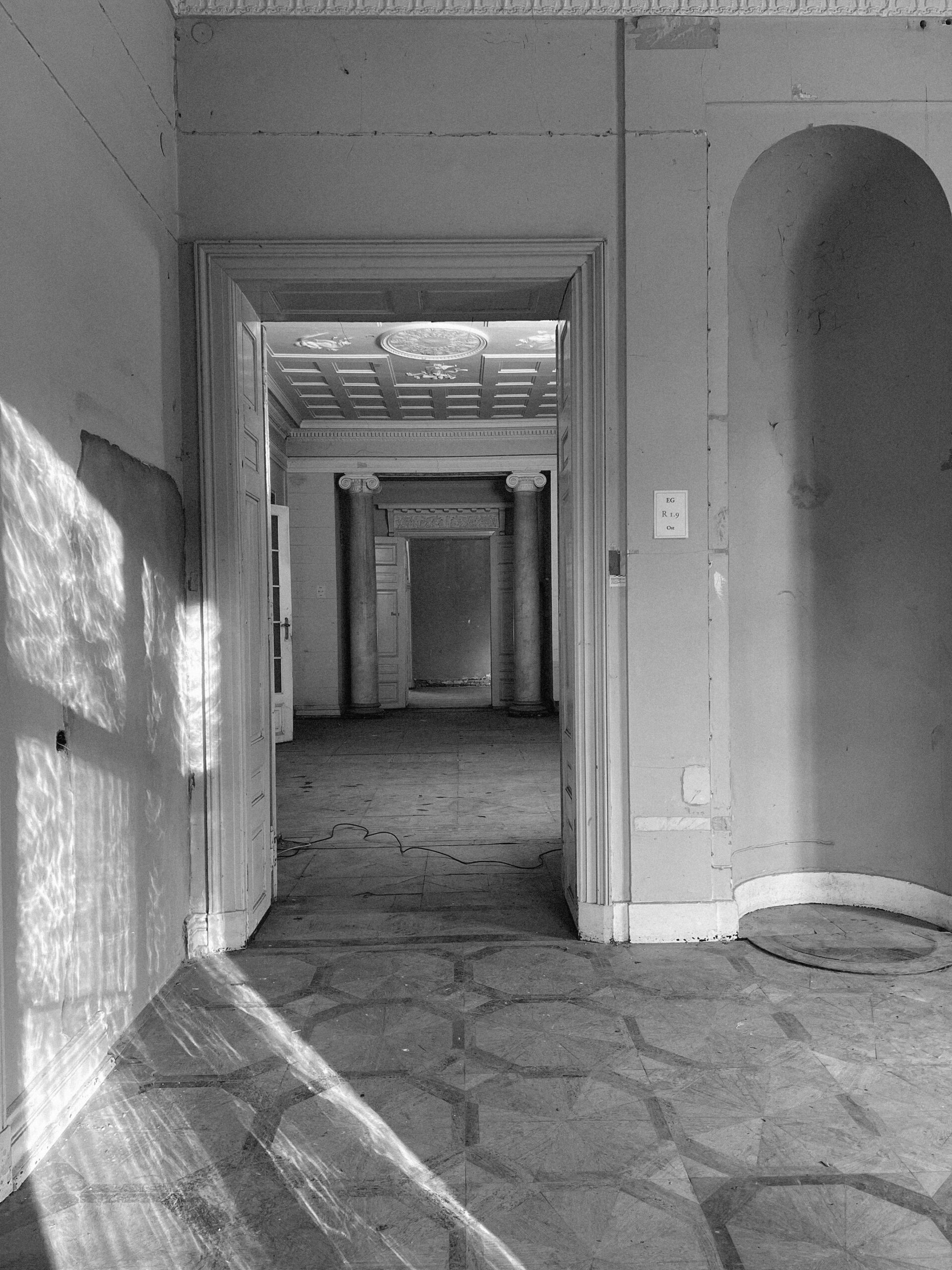
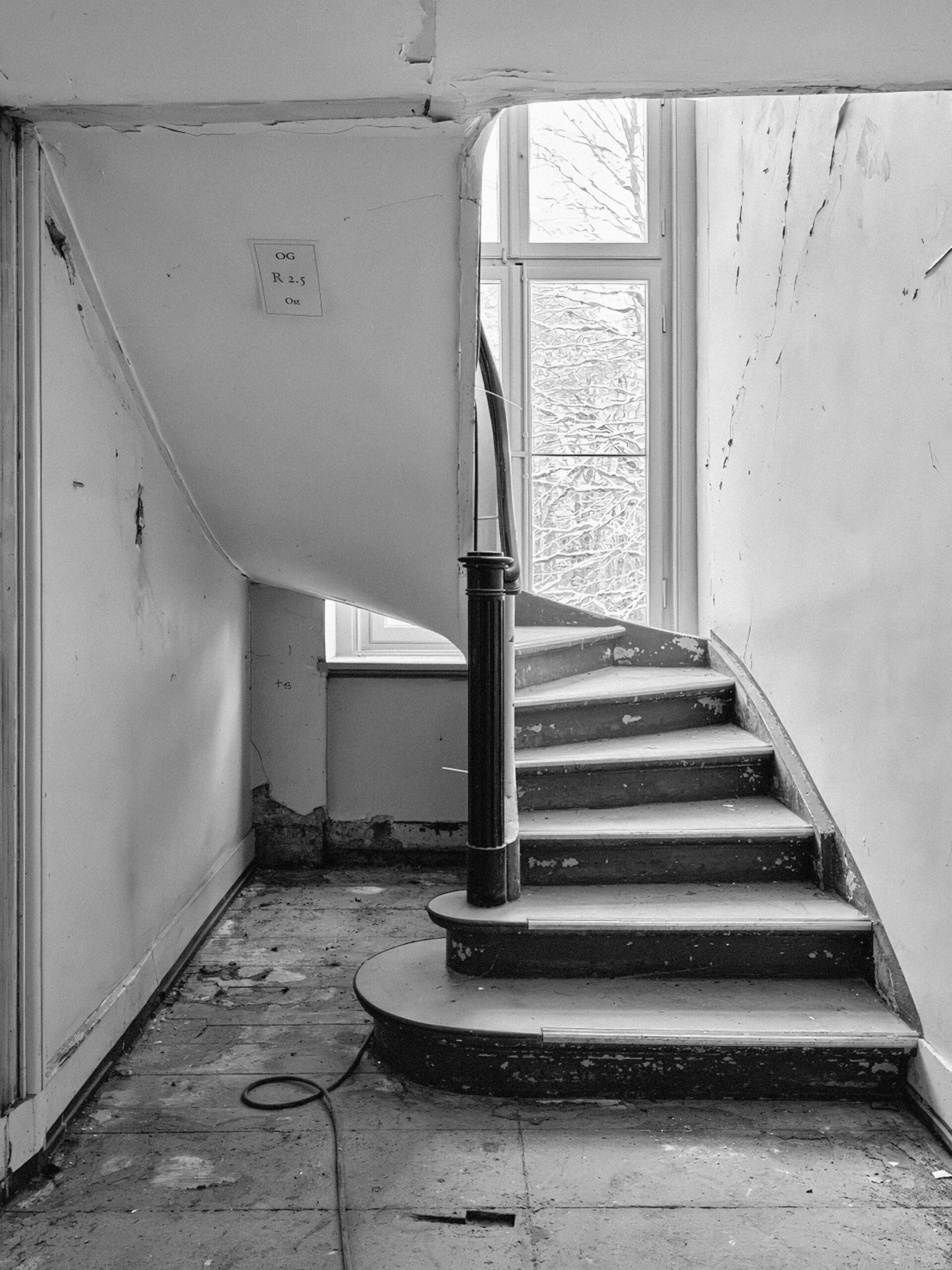
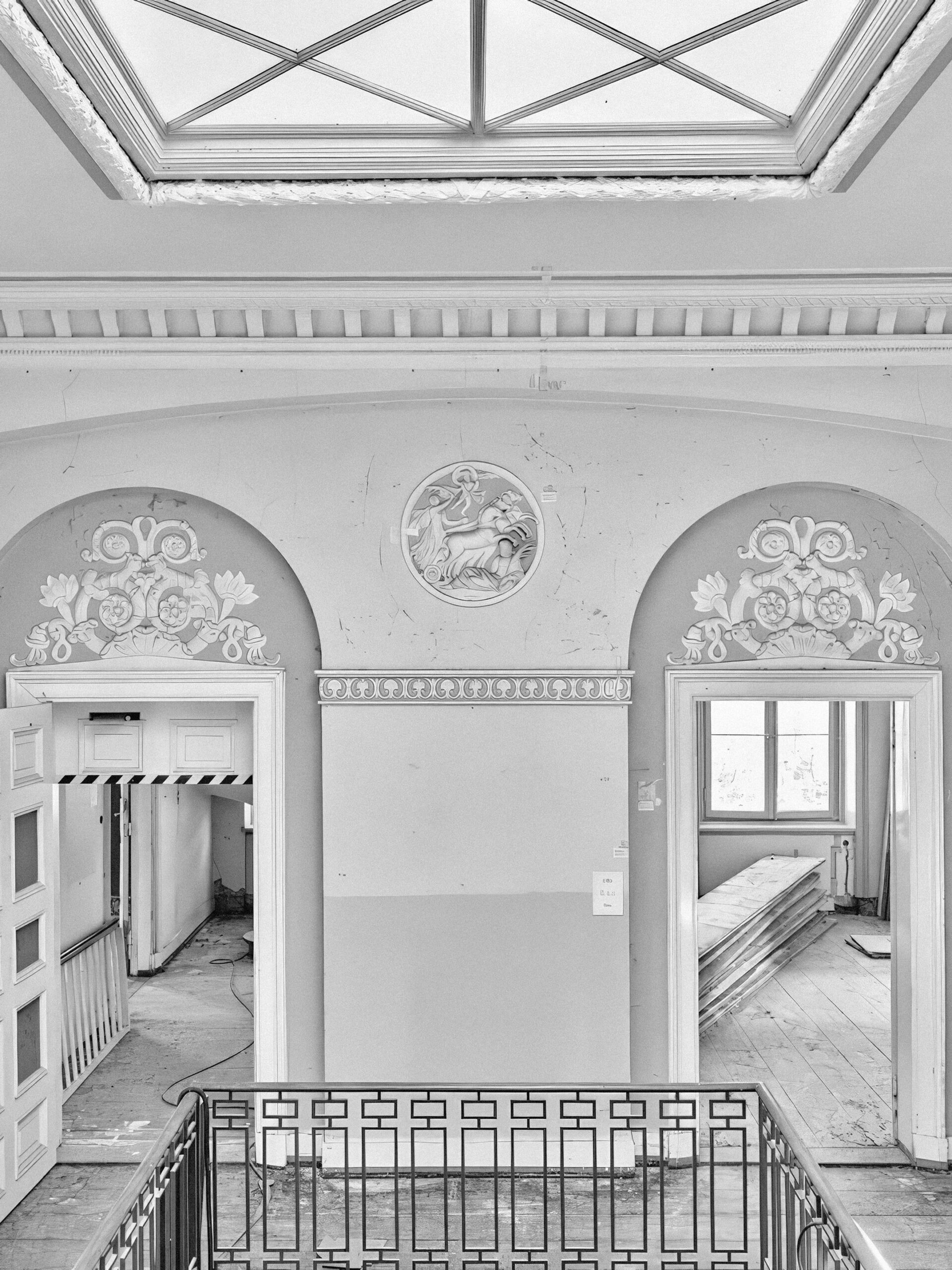
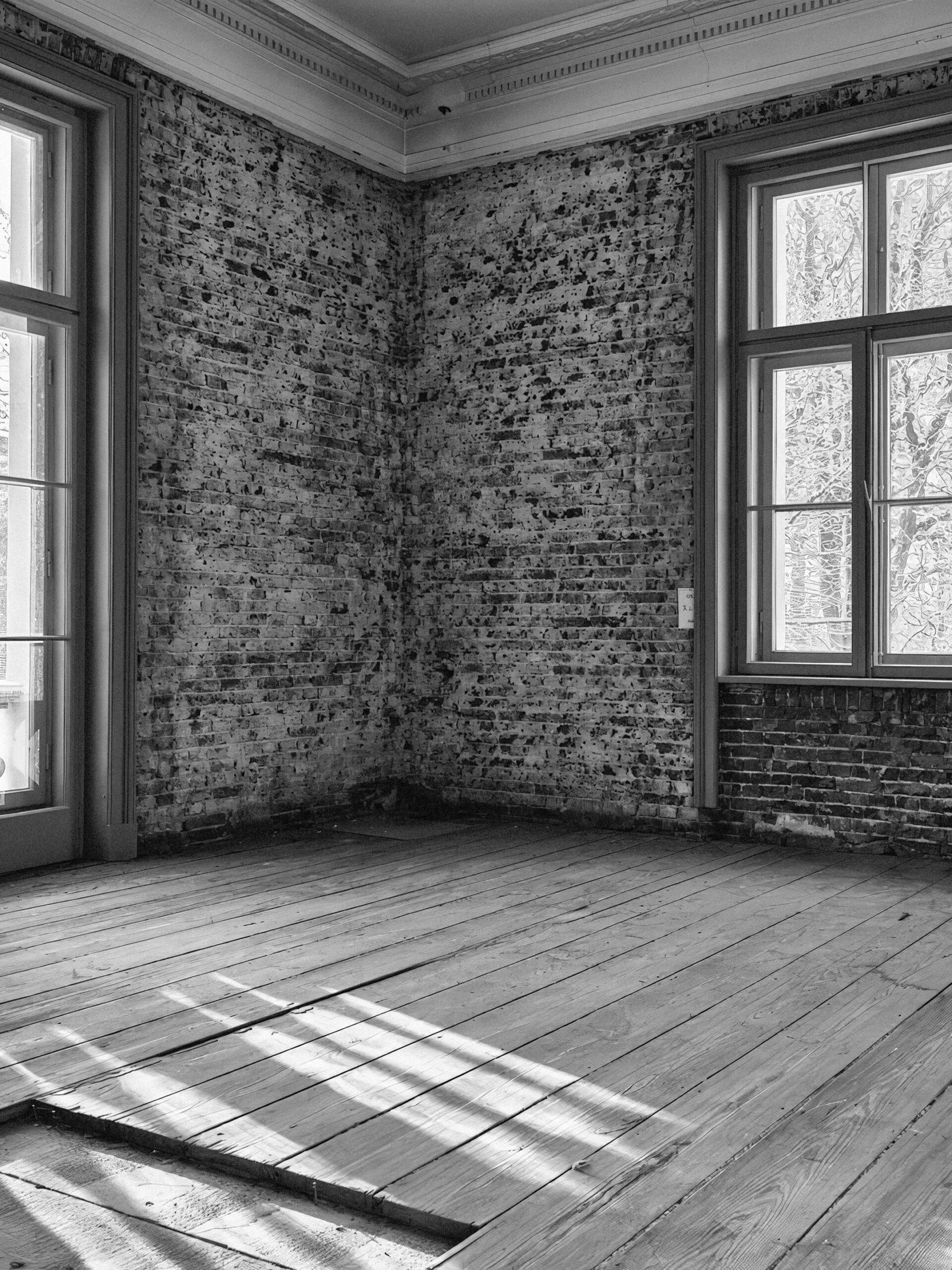
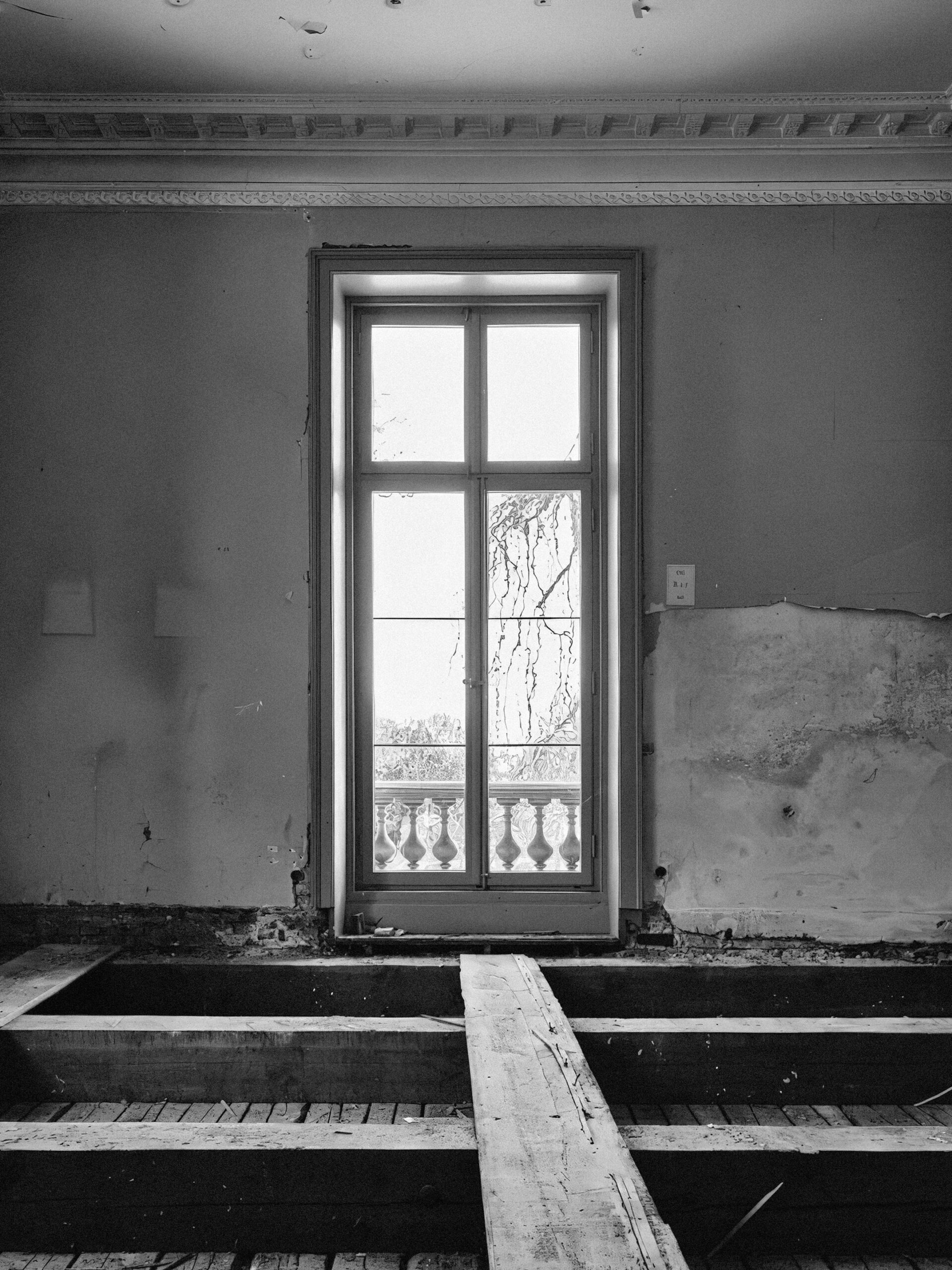
Further information on the history of the building and the construction project can be found here
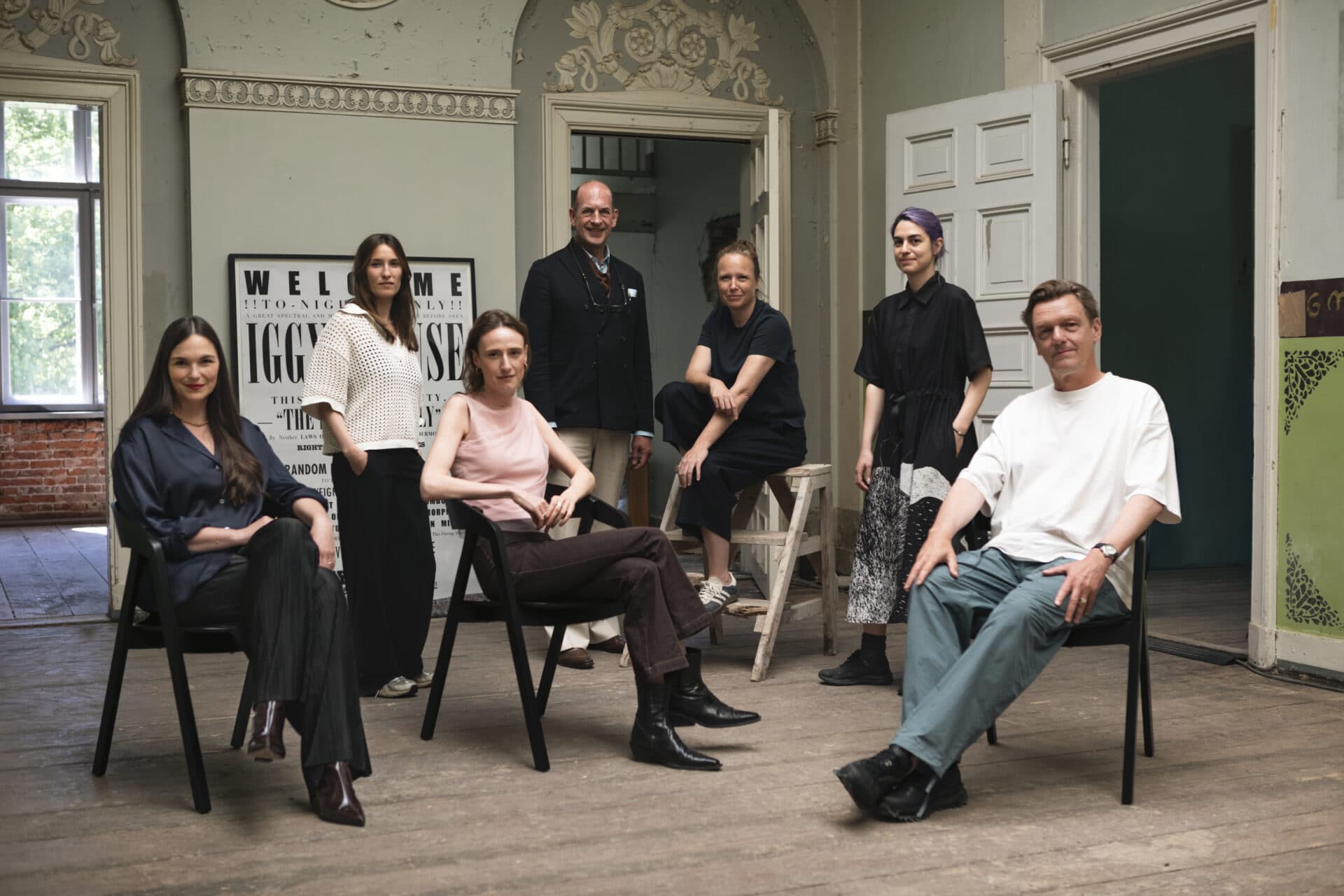
Team
Jan Fischer
Initiator and Founder
Through his institutions and foundations in various locations across Germany, entrepreneur Jan Fischer promotes forward-looking culture and social participation, ranging from contemporary art to social projects. He has a personal connection to the Katharinenhof as he grew up in the neighbourhood and spent many hours reading in Blankenese’s library, the coach house known at the time as the “Musenstall” (Muses’ Stables). With Kunsthaus Baurs Park, Fischer is once again making this significant site in Blankenese accessible to the wider public. In doing so, he is transforming it into a new meeting place and a space for interaction, where the local community and the wider world come together, and art, history, and discourse are brought to life in a dynamic interplay.
Teresa Minn
Artistic and Managing Director
Teresa Minn creates structures in which artistic ideas and materials coalesce into spatial constellations, with the aim of raising new questions about familiar knowledge. She studied art history and philosophy in Berlin, Paris, and Cologne, and has worked at Galerie Kewenig, the Centre Pompidou in Paris, the Gropius Bau and the Berliner Festspiele, as well as the Schinkel Pavillon, all in Berlin, and Phenomen Films UK, amongst other places. Her research and doctoral thesis focus on contemporary tapestries, practices of image translation, and a fascination with the handmade in an increasingly digital world. Since 2025, Minn has been developing the programme for the Kunsthaus Baurs Park around a question raised by the site and its historical layers: How much future can be found in the history of this place and with what kind of present do we wish to fill it?
Börries von Notz
Commercial and Managing Director
Throughout his career, Börries von Notz has repeatedly created spaces and frameworks where art, social responsibility, and institutional development come together. In recent years, he has developed and overseen projects at the intersection of art and culture, social relevance, and functional structures. As Managing Director of JEF – Not a Foundation, he is also taking over the commercial management of Kunsthaus Baurs Park on an interim basis. For von Notz, this marks a return to Hamburg, whilst the establishment of a new cultural institution represents an exciting new beginning.
Thomas Oberender
Head of Strategy and Concept
Thomas Oberender’s projects are characterised by his desire to combine political and aesthetic processes. He earned his doctorate for his thesis on Botho Strauß and works as a curator, festival director, and author. He has shaped the programmes of the Berliner Festspiele / Gropius Bau as artistic director, the Salzburg Festival as theatre director, the Schauspielhaus Zürich as co-director, and the literature program of the Ruhrtriennale under Gerard Mortier. What brings ‘new’ into the world? What makes us suddenly read history and stories with empathy? As a connoisseur of curiosity, new formats, and perspectives, Oberender creates innovative programmes and follows the artistic pulse with passion and dedication. Since 2024, he has been assembling a team and developing a program and concept for Kunsthaus Baurs Park.
Evelyn Lauer
Commercial Director (interim)
As Commercial Director at Kunsthaus Baurs Park, Evelyn Lauer ensures the organisational and financial stability of the programme. After studying architecture and business administration, she gained 25 years of experience in the German agency sector. During this time, Lauer established and managed a design and branding agency, oversaw large teams and budgets, and worked at the intersection of creativity and economic reality, all without ever losing sight of the human element. Her perspective is complemented by her training as an organisational designer and systemic coach, which shapes her work in the context of leadership, collaboration, and institutional development.
Lisa Goebel
Executive Assistant
With a background in jewellery design, Lisa Goebel developed an early appreciation for sophisticated design and craftsmanship, as well as a desire to support artistic processes both creatively and structurally, and to empower those involved. With this in mind, she completed a training programme in event management and gained a variety of professional experiences in galleries, art centres, and agencies. In addition, Goebel independently launched a blog with an events calendar to raise the profile of Hamburg’s art scene. As an executive assistant, she operates at the interface between artistic practice and organisation.
Giulia Busetti
Production Assistant
What drives Giulia Busetti is the moment when a curatorial idea takes concrete form, along with the question of which institutional, spatial, and human conditions make that moment possible in the first place. With a background in art history, arts and cultural management, and curatorial studies, at Kunsthaus Baurs Park she combines a curatorial perspective with technical production experience. Previously, Busetti worked in programme coordination and festival production in galleries, experimental spaces, and cathedrals across Switzerland, Italy, the UK, and Germany. She has a particular interest in the cultural complexities of port cities: conflicting identities and transformations underpin her work across various projects and have made Hamburg her intellectual home.
Renée Krug
Project Assistant
Renée Krug has been involved with the Kunsthaus Baurs Park since the purchase agreement was signed. From the very first brainstorming sessions and workshops on the future use of the building, she has brought together the people and perspectives that continue to shape the project. Krug is particularly fascinated by the potential of the Kunsthaus as a place of encounter and discourse for Blankenese and Hamburg. She studied Cultural Management in Passau and Social and Public Policy at the London School of Economics, and has gained experience in project management within the independent theatre and cultural scene as well as in the events sector. For the past two years, Krug has been pursuing a PhD in political sociology, focusing on the role of cultural symbols, discourses, and ideas in political processes.
Newsletter
Stay up to date on our current events and everything happening around Kunsthaus Baurs Park.
By subscribing you consent to receiving our newsletter. After subscribing you will receive an email to confirm your subscription (double opt-in). Your data will be transferred to MailerLite for processing. You may withdraw your consent at any time, for example via the unsubscribe link in every newsletter. Further information can be found in our privacy policy.
Contact
Project office
KH Baurs Park gGmbH
Friedensallee 27, 22765 Hamburg(opens in new tab)
+49 (0)40 524705400
post@kunsthausbaurspark.de(opens email client)Construction site at future Kunsthaus Baurs Park
Baurs Park GbR
Till Mundorf
Mühlenberger Weg 33–35, 22587 Hamburg(opens in new tab)
post@katharinenhof-blankenese.com(opens email client)